Main Content
What Are Decorative Tassels Used For?
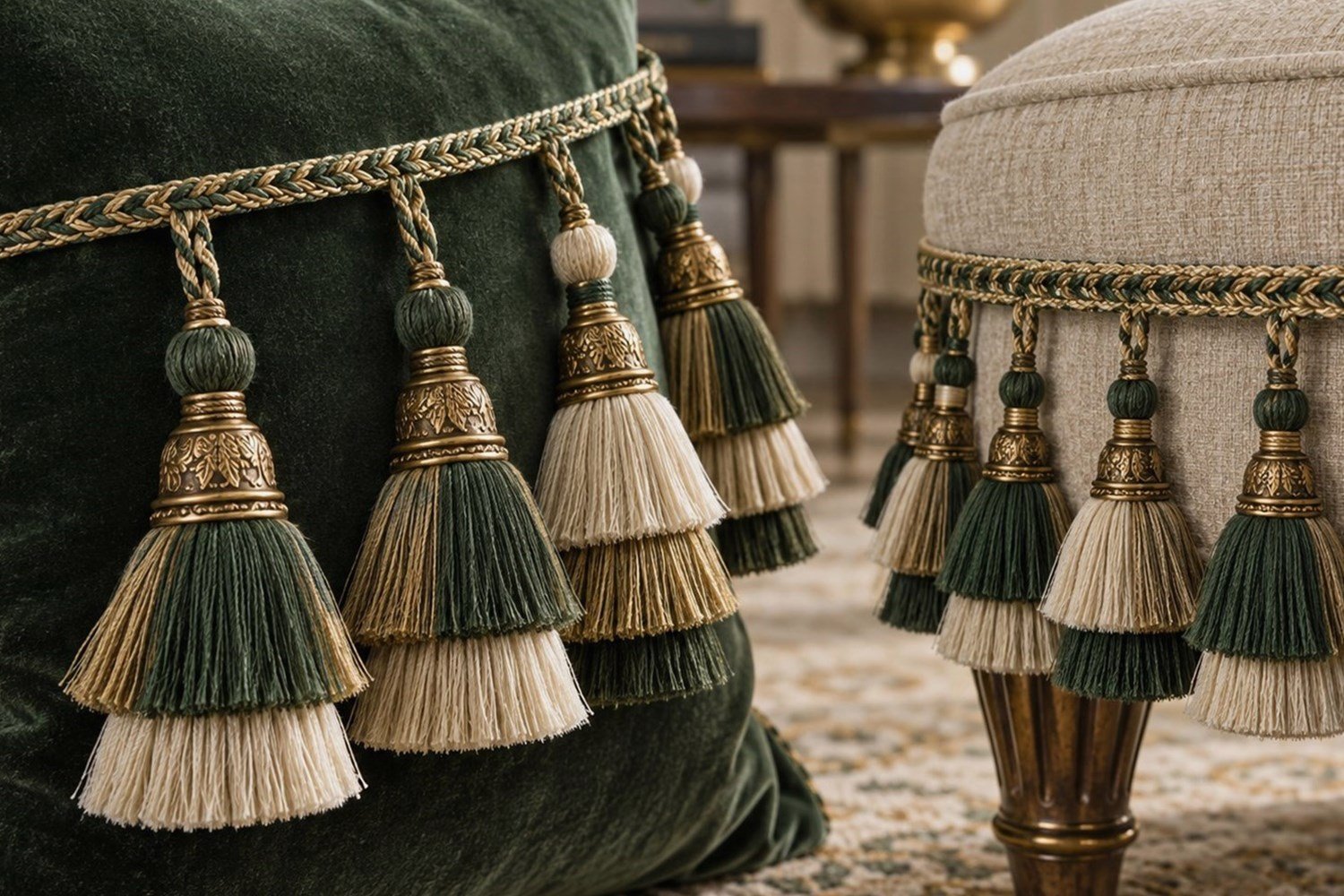
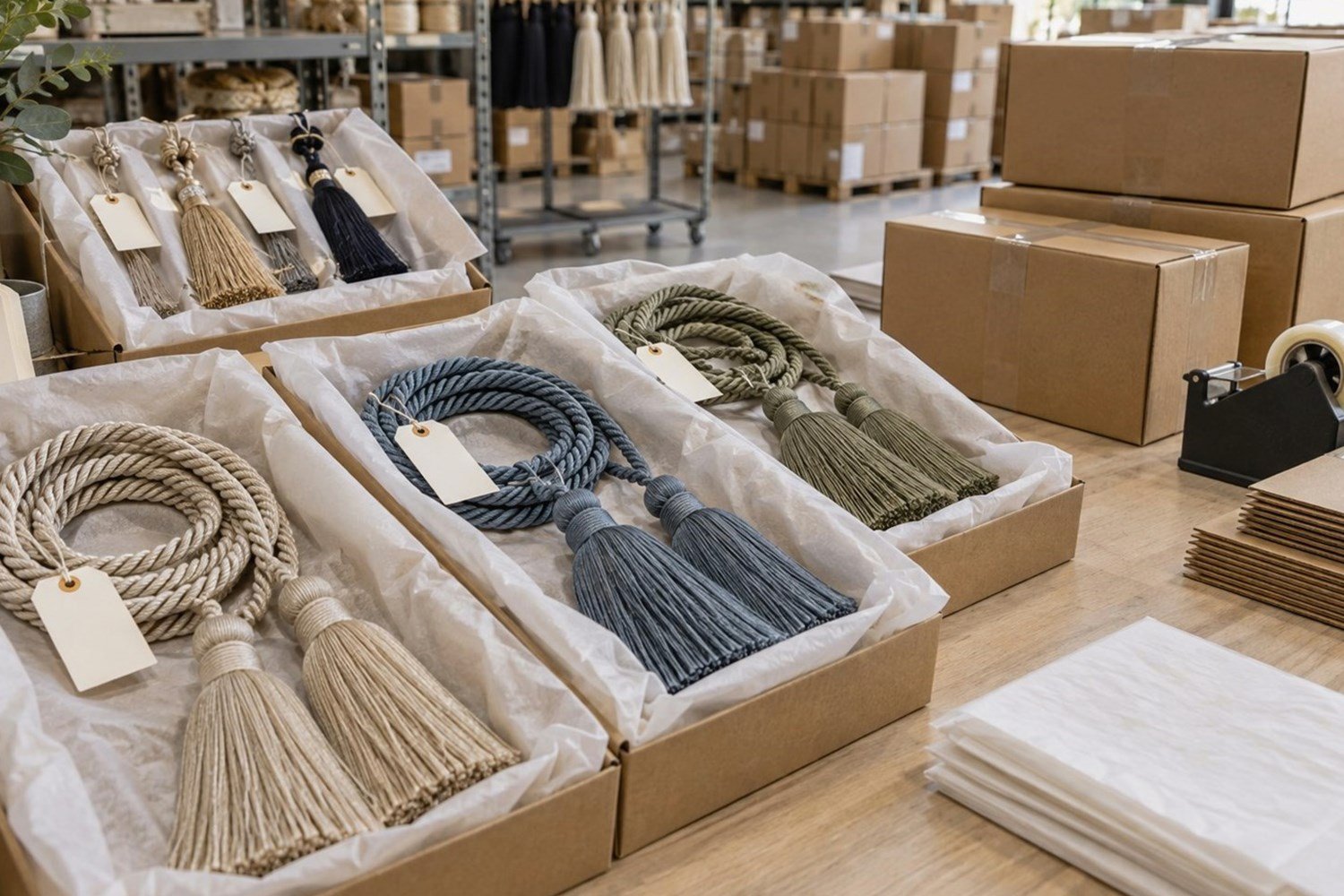
Decorative tassels add texture, movement, color, and a finished visual accent to home textiles, furnishings, accessories, gifts, and packaging. Their required construction changes with the application: a curtain tassel needs to coordinate with drapery; a cushion tassel must suit the corner or seam; a gift tassel may prioritize theme and presentation.
| Application | What to Consider |
|---|---|
| Curtains and drapery | Cord, scale, fabric coordination, placement |
| Cushions and pillows | Corner proportion, material, visual weight |
| Furniture | Scale, attachment, upholstery direction |
| Bags and accessories | Attachment, movement, component finish |
| Gifts and packaging | Theme, color, presentation |
| Keys and ornaments | Connection, decorative balance |
Types, Materials, and Construction
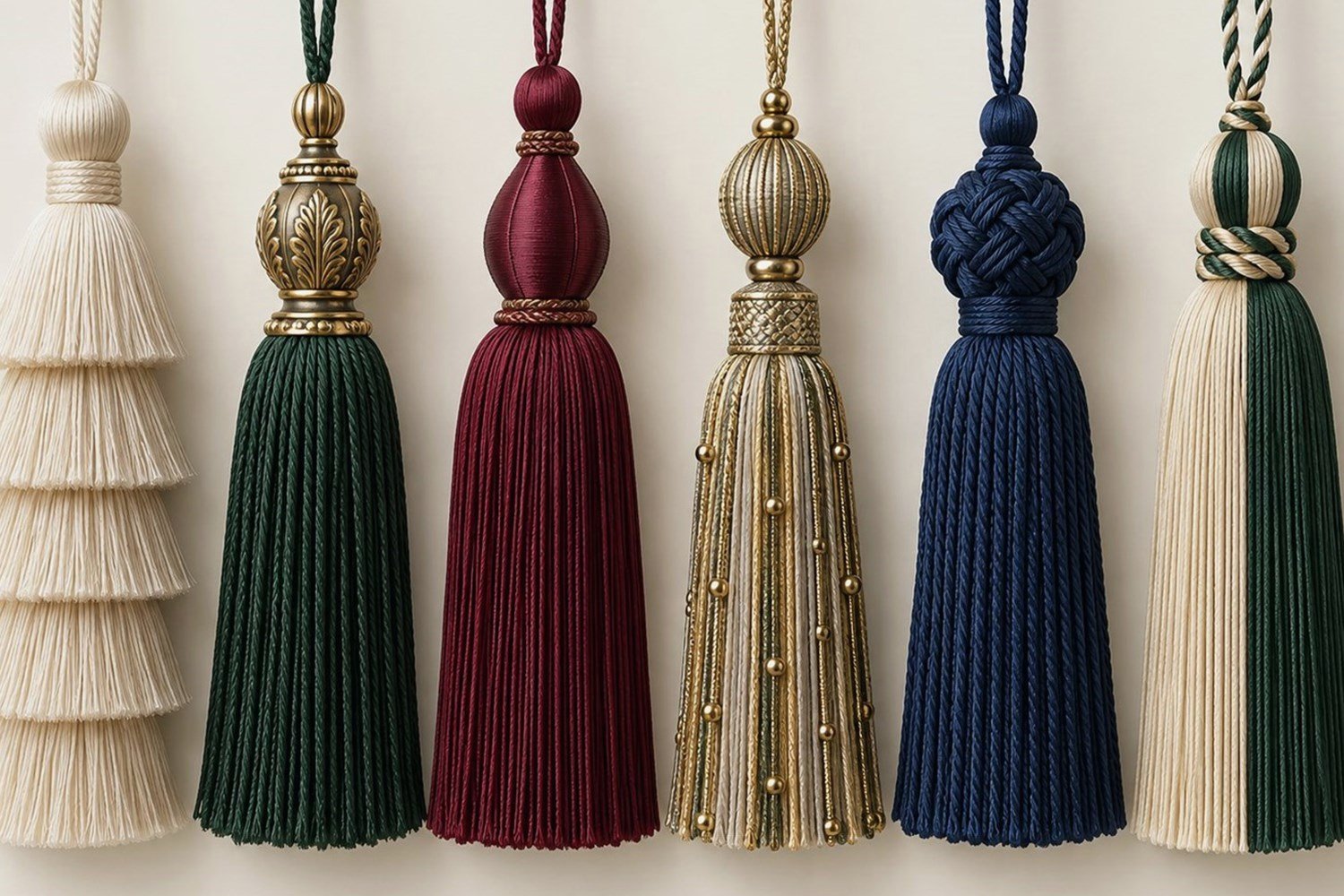
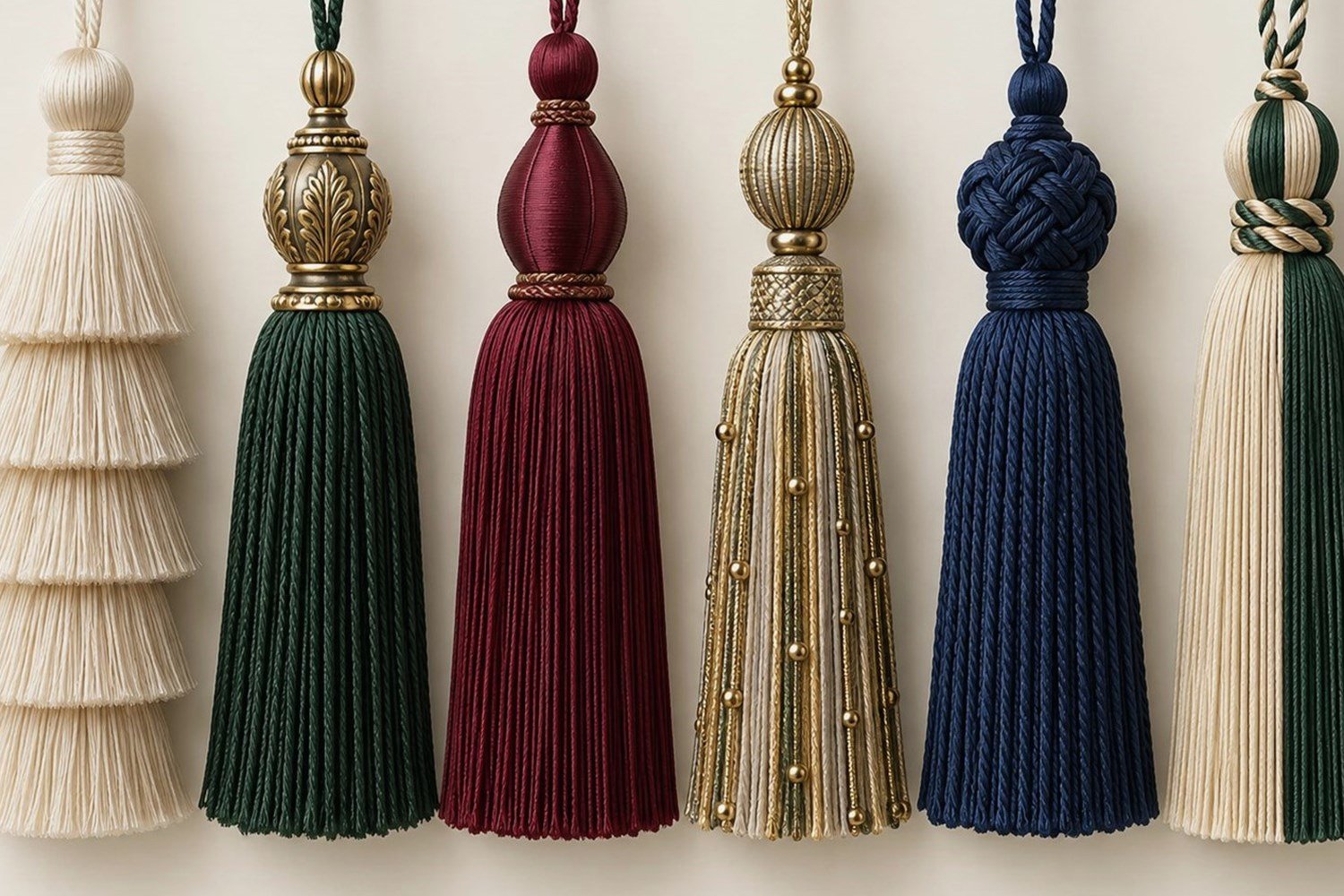
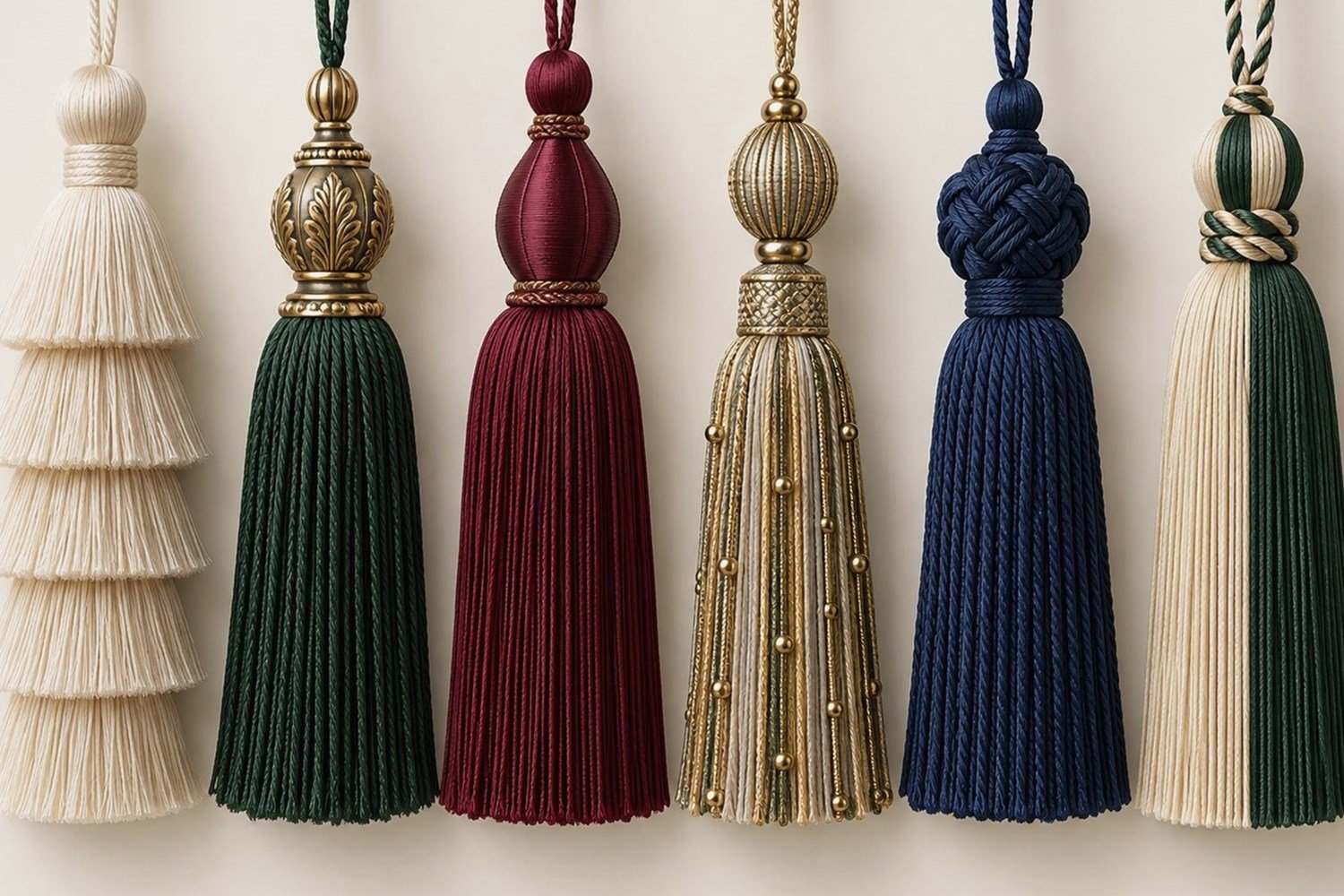
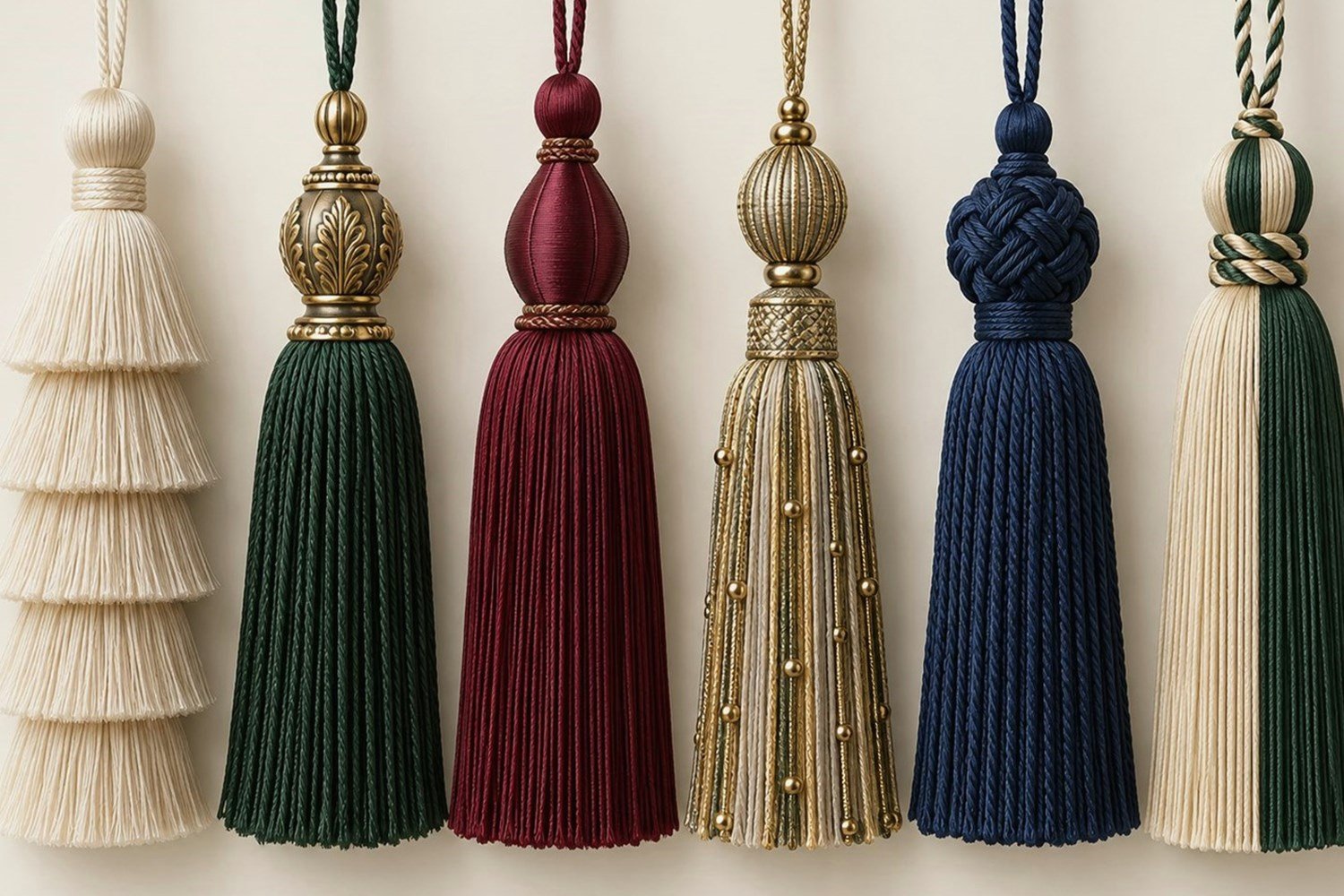
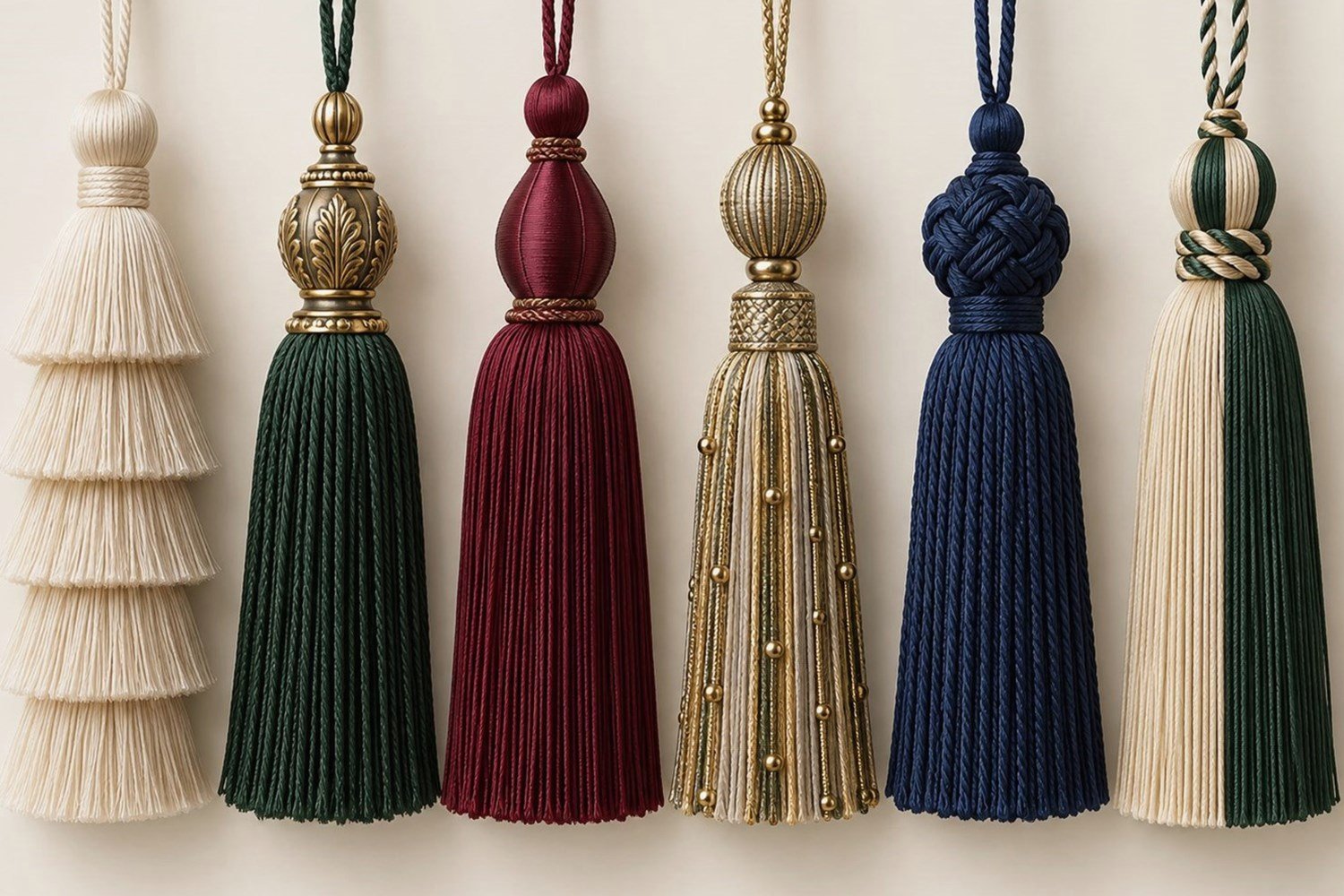
Decorative tassel types can be grouped by their visible construction, but these labels often overlap in one product. Thread tassels use gathered strands; braided tassels incorporate cord or braid; beaded tassels use beads as visible components; bullion-style tassels may use metallic-effect construction; and mixed-material tassels combine multiple elements.
| Type | Typical Character | Project Question |
|---|---|---|
| Thread tassel | Gathered yarn or thread | Material, drape, fullness |
| Braided tassel | Cord or braid detail | Cord structure and attachment |
| Beaded tassel | Beads form visible accent | Size, placement, weight |
| Bullion-style tassel | Metallic or formal effect | Finish and material direction |
| Mixed-material tassel | Combines several components | Relationship and proportion |
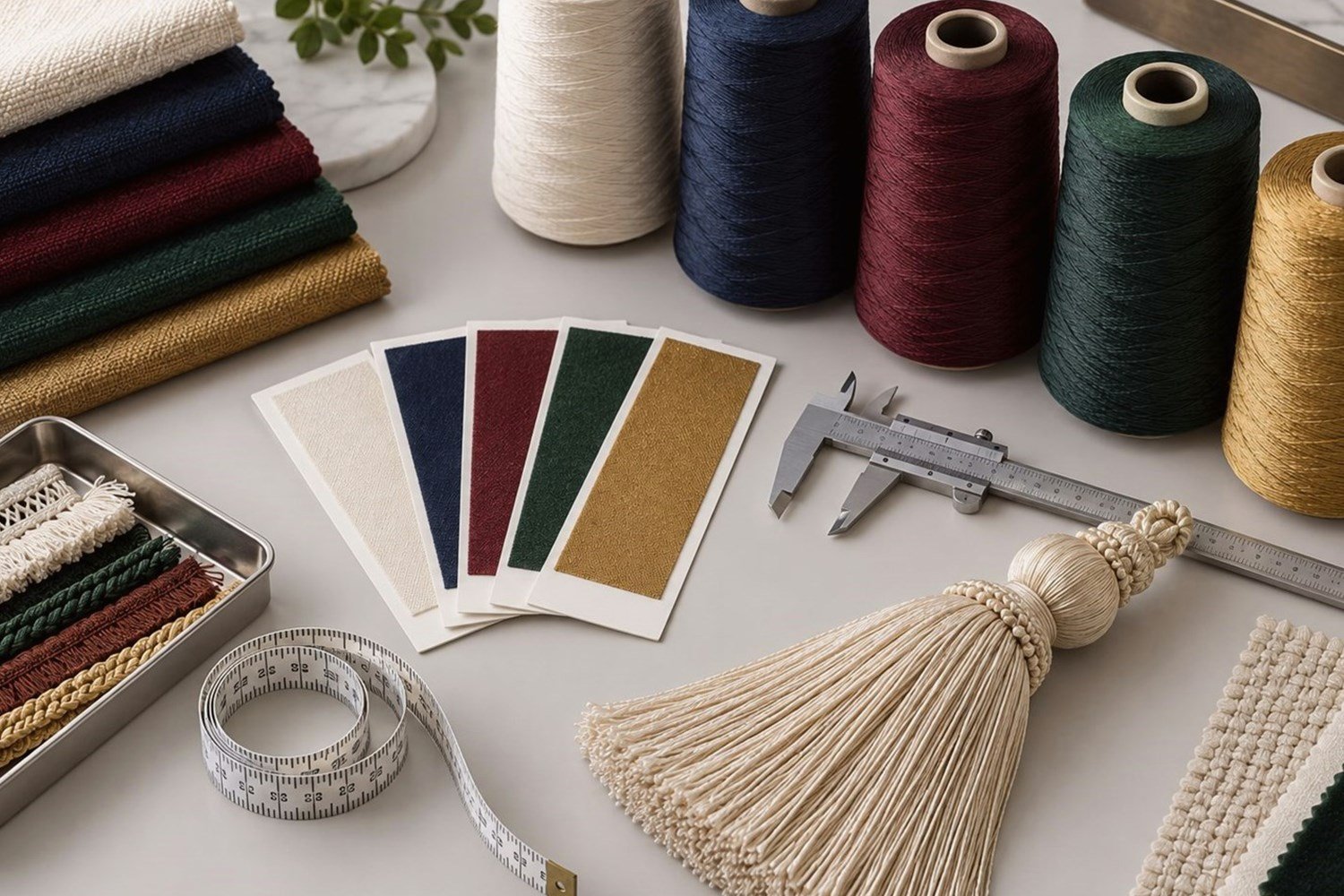
Rayon-like yarn, polyester, cotton, metallic-effect yarn, cord, beads, wood, resin, and metal components can all appear in decorative products. No one material defines the category. See Tassel Materials and Beaded Tassels.
Color, Size, and Proportion

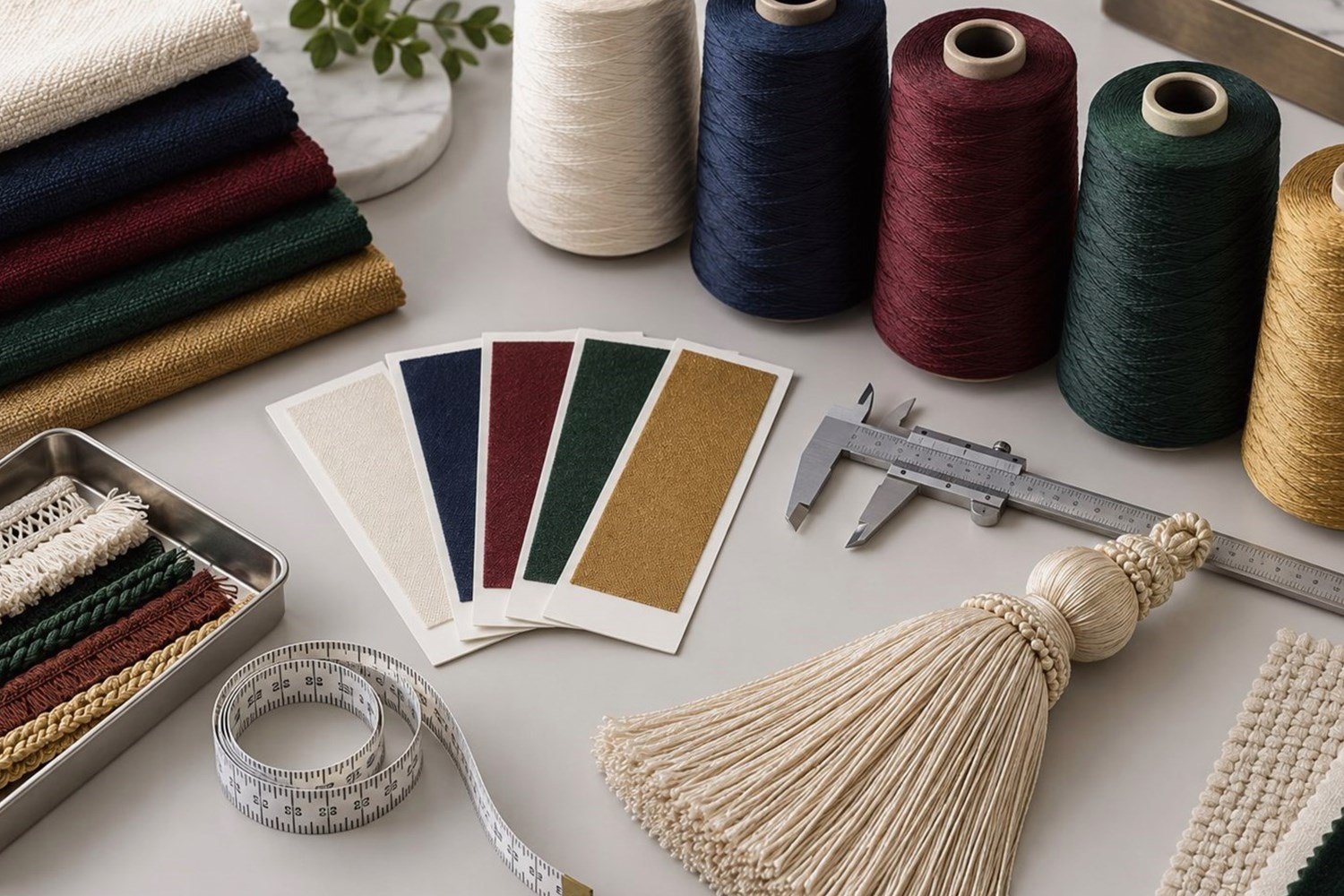
Color, size, and proportion should be selected in relation to the finished product rather than according to a universal decorative tassel standard. Larger tassels are not automatically better, and more beads do not automatically mean higher quality. The required visual weight depends on the fabric, furniture, accessory, packaging, or other product receiving the tassel.
| Measurement or feature | What to Define |
|---|---|
| Tassel body | Head-to-skirt proportion |
| Skirt | Length, fullness, outline |
| Cord or loop | Attachment and hanging position |
| Overall scale | Relationship to product |
| Color strategy | Main, secondary, accent, metallic direction |
| Components | Beads, caps, charms, placement |
Use Tassel Size and Length and Tassel Colors to create clearer project references. A sample should show the tassel beside the intended product or material where possible.
Decorative Tassels, Tassel Trim, and Fringe
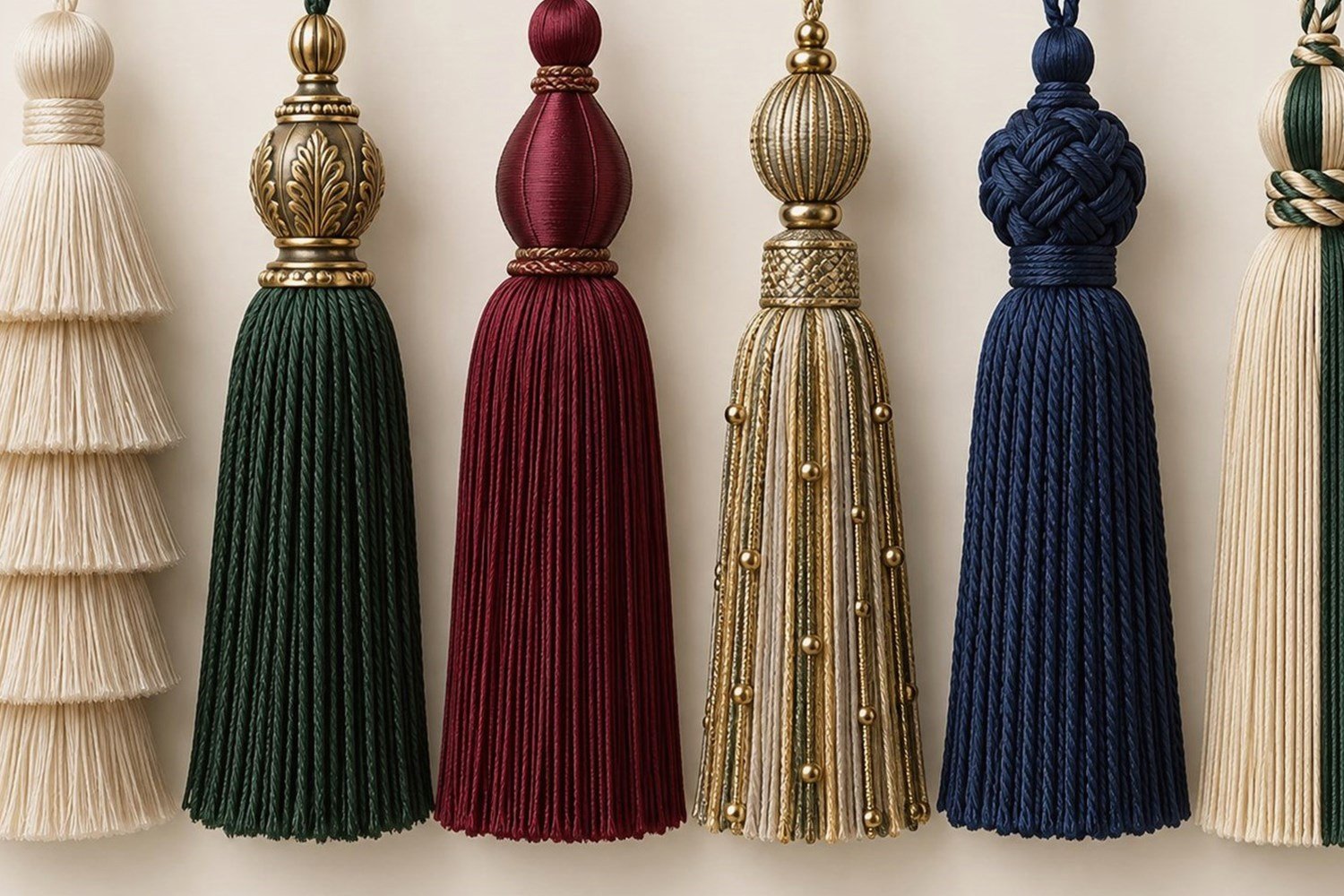
An individual decorative tassel is different from continuous tassel trim and from fringe, although all three can be used as textile decoration. A tassel is a secured hanging ornament. Tassel trim repeats multiple tassels along a continuous tape or header. Fringe is a continuous line of threads or strands, and tassels can sometimes be incorporated into fringe constructions.
| Product Form | Construction | Typical Use |
|---|---|---|
| Decorative tassel | One individual ornament | Corners, cords, gifts, accessories |
| Tassel trim | Repeated tassels on continuous trim | Edges, upholstery, curtains |
| Fringe | Continuous threads or strands | Borders and decorative edges |
| Beaded tassel | Tassel with beads | Decorative accent; can also be decorative |
A functional tassel may also become decorative, and a key tassel can be both key-related and ornamental. The intended role, not a single label, determines the appropriate specification.
Custom Decorative Tassels, Selection, and Quality
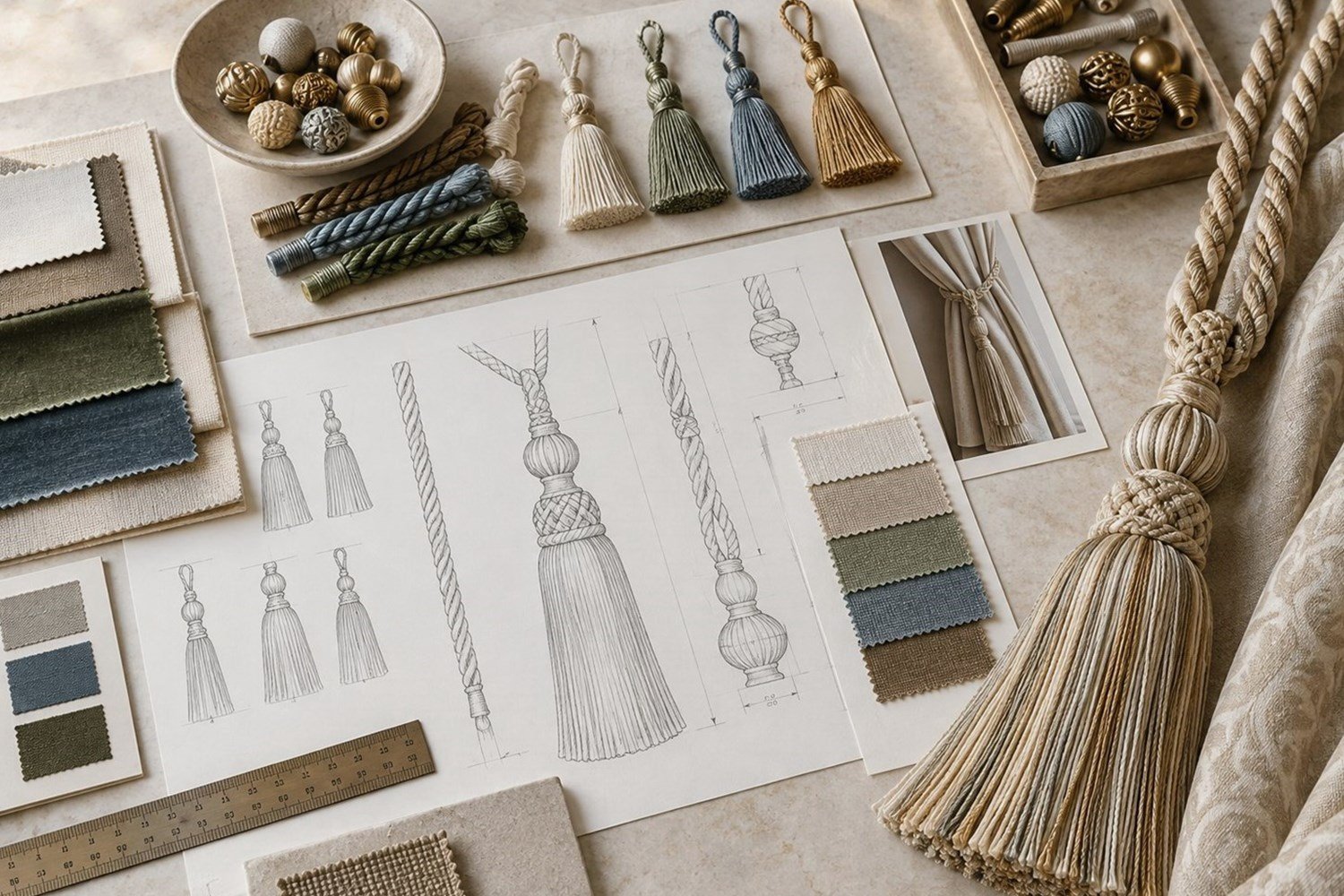
Custom decorative tassels should be specified from the intended application, material context, dimensions, construction, color direction, components, and approved reference. Handmade and machine-assisted work can both support appropriate results; neither method automatically determines quality. Select a tassel according to the finished product requirement.
- Define application, material context, and attachment.
- Define required body, head, skirt, cord, loop, and overall scale.
- Define yarn, cord, beads, metallic effects, colors, and component placement.
- Review a representative sample beside the intended product.
- Check relevant production units against the approved reference.
Quality checklist: review material, color, strands, skirt outline, head construction, cord, loop, components, attachment, visible finishing, and batch consistency. Use How to Check Tassel Quality for the inspection framework.
What Should B2B Buyers Specify?
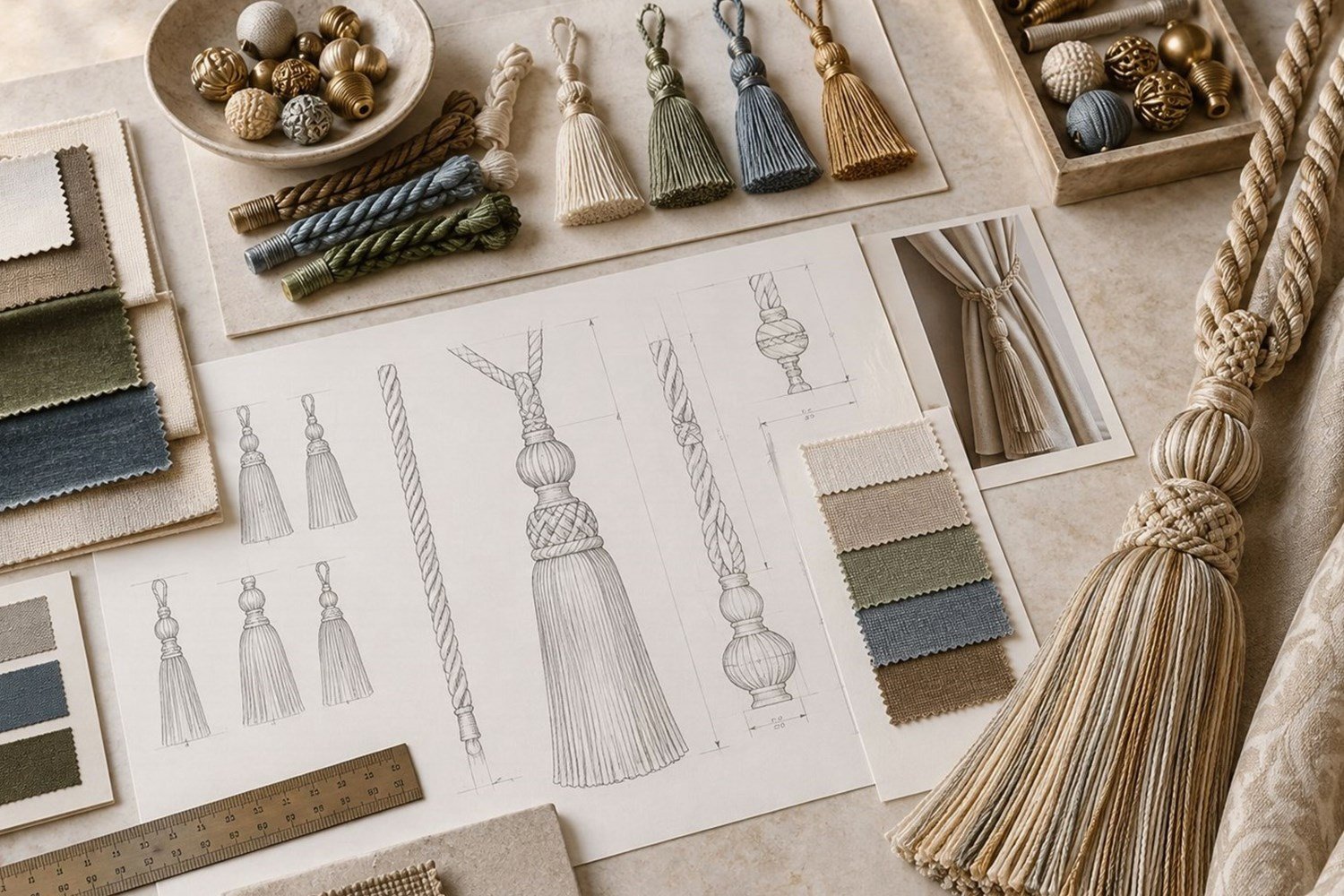
B2B buyers should define the decorative tassel as a complete product component, including the application, construction, dimensions, materials, colors, components, and approval reference. Do not rely on a generic product label, a screen photo, or universal numeric standards when the target product needs a project-specific direction.
| Requirement | Buyer Reference | Approved Specification |
|---|---|---|
| Application | Curtain, cushion, furniture, bag, gift | |
| Construction | Body, head, skirt, cord, loop | |
| Material and color | Yarn, cord, beads, color reference | |
| Scale | Body, cord, overall product relationship | |
| Components | Beads, caps, charms, metallic details | |
| Quality | Sample, product reference, packaging |
Common Decorative Tassel Mistakes
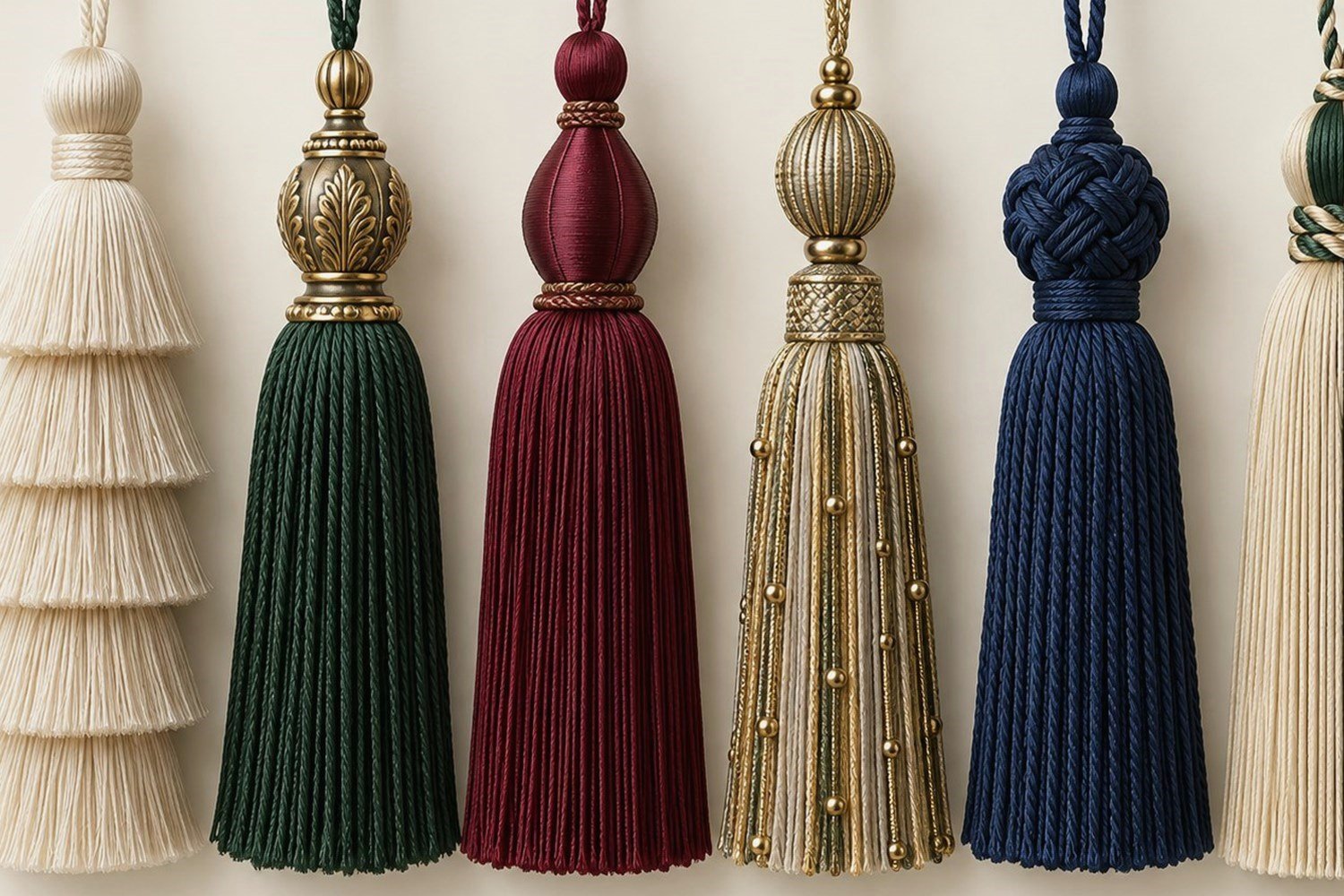
Common problems arise when decorative tassels are selected without the product context or when a broad category name replaces a clear construction and application specification. Evaluate the complete assembly before approval.
| Mistake | Better Approach |
|---|---|
| Choosing by tassel image alone | Review it with the intended product |
| Assuming one standard size | Define body, cord, and scale |
| Adding components without proportion review | Approve the complete assembly |
| Ignoring attachment | Confirm cord, loop, and product connection |
| Using screen-only colors | Approve material-specific references |
| Treating trim as an individual tassel | Specify product form clearly |
| Assuming handmade means higher quality | Check execution against sample |