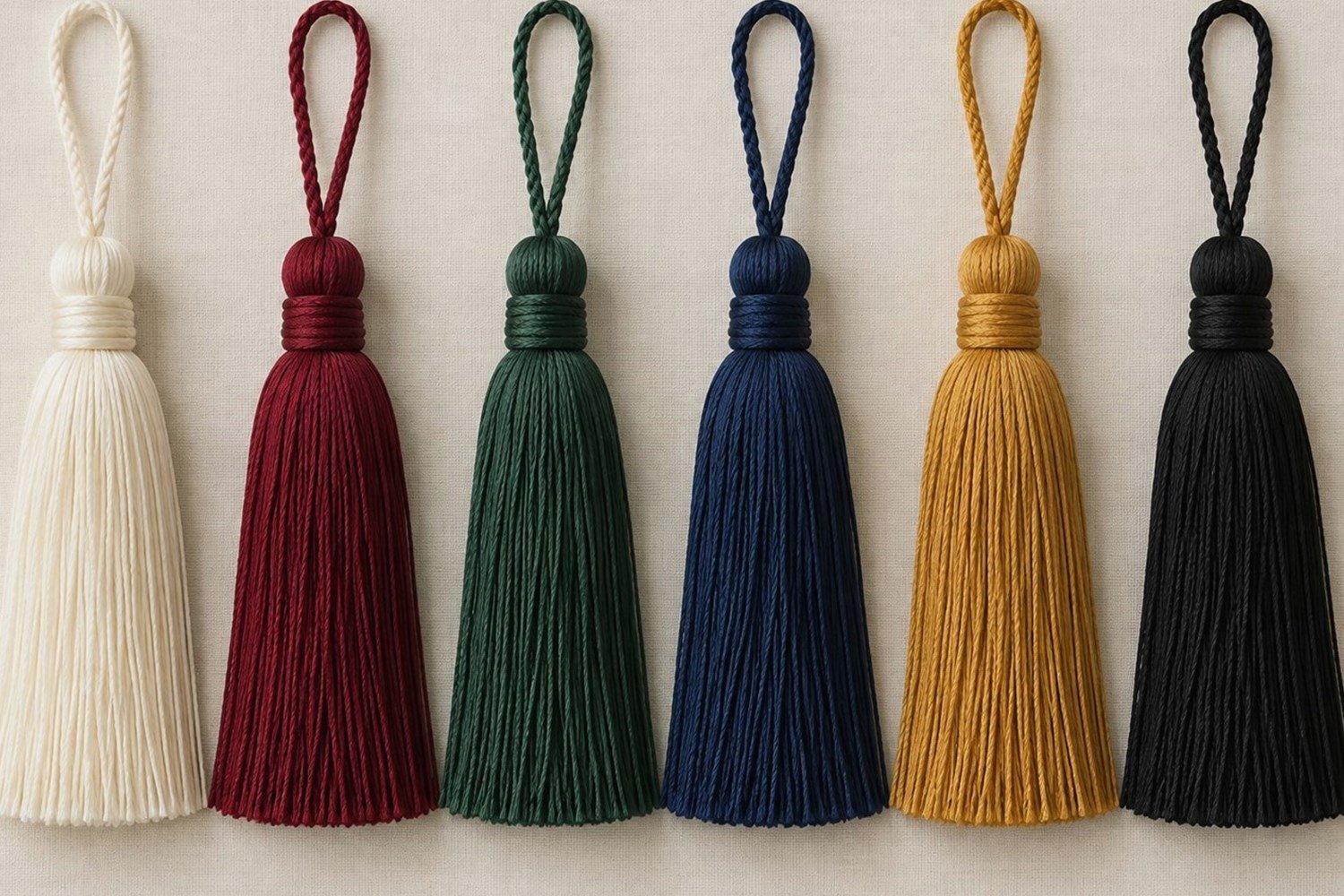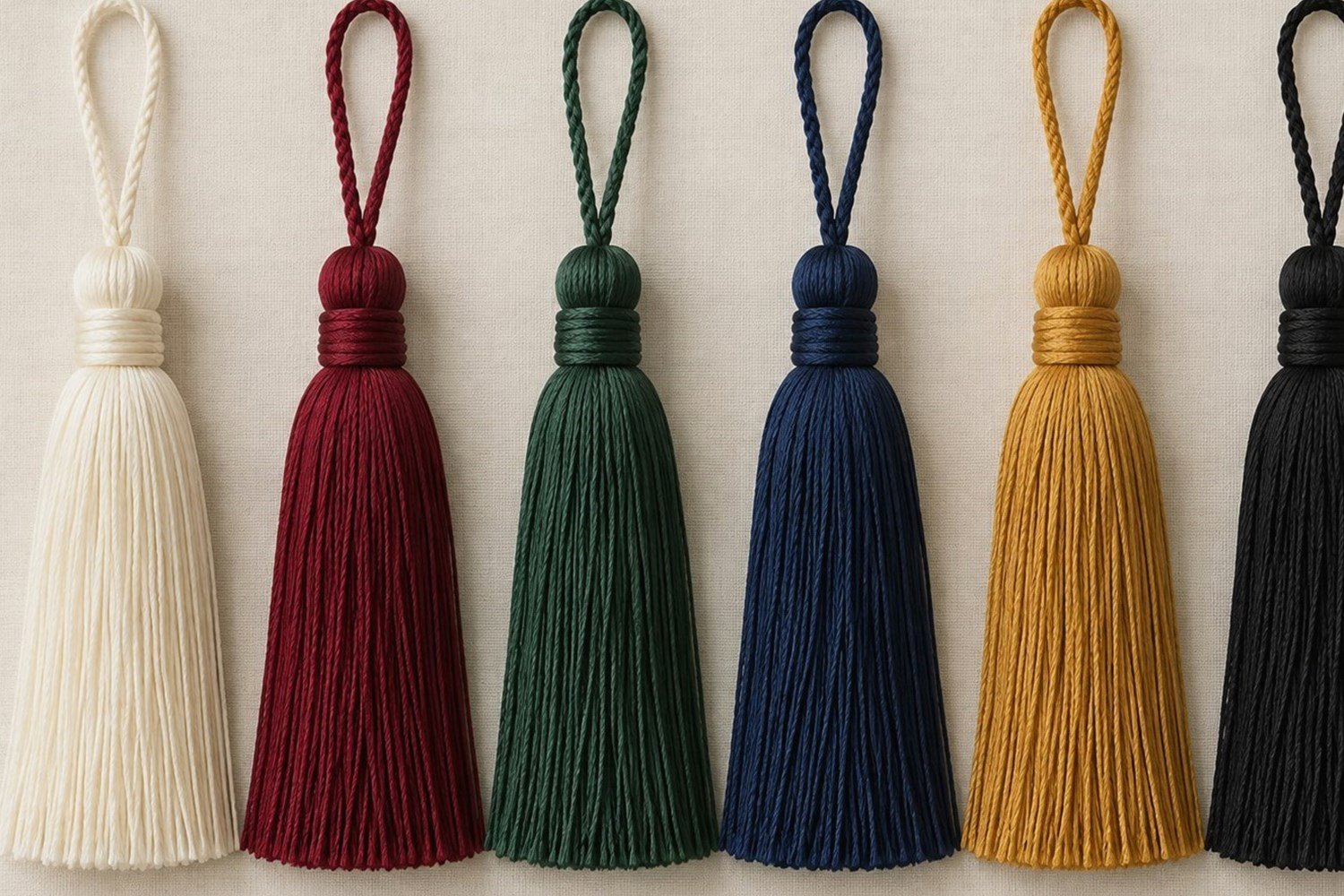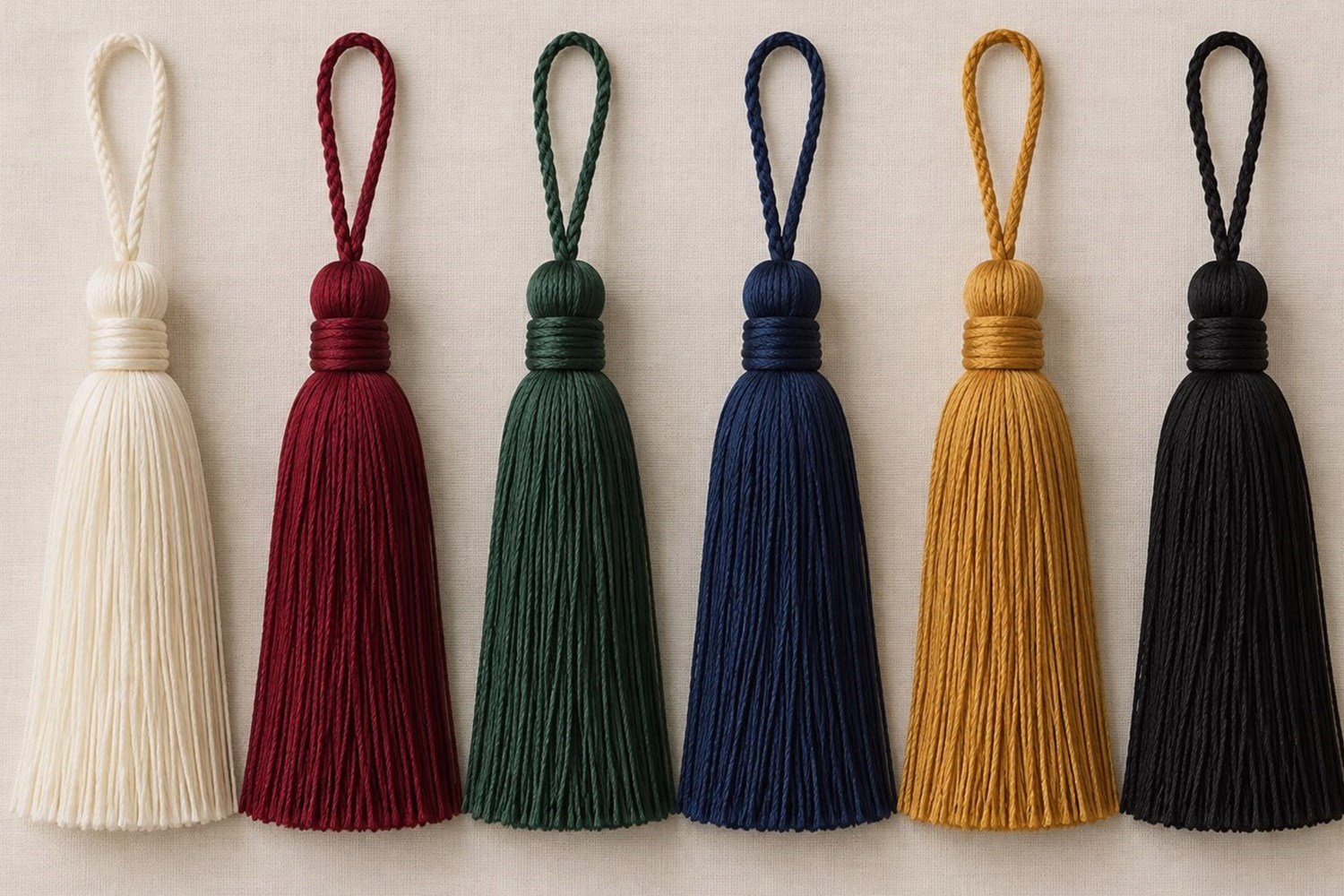
Tassel knowledge base

How to Check Tassel Quality

Check tassel quality against the intended specification and approved reference, not appearance alone. A practical inspection reviews overall appearance, dimensions, material, color, strands and skirt, head and neck, cord and loop, attachments, components, functional fit, and consistency across the relevant batch. The aim is to confirm that the received tassel matches the agreed product direction.

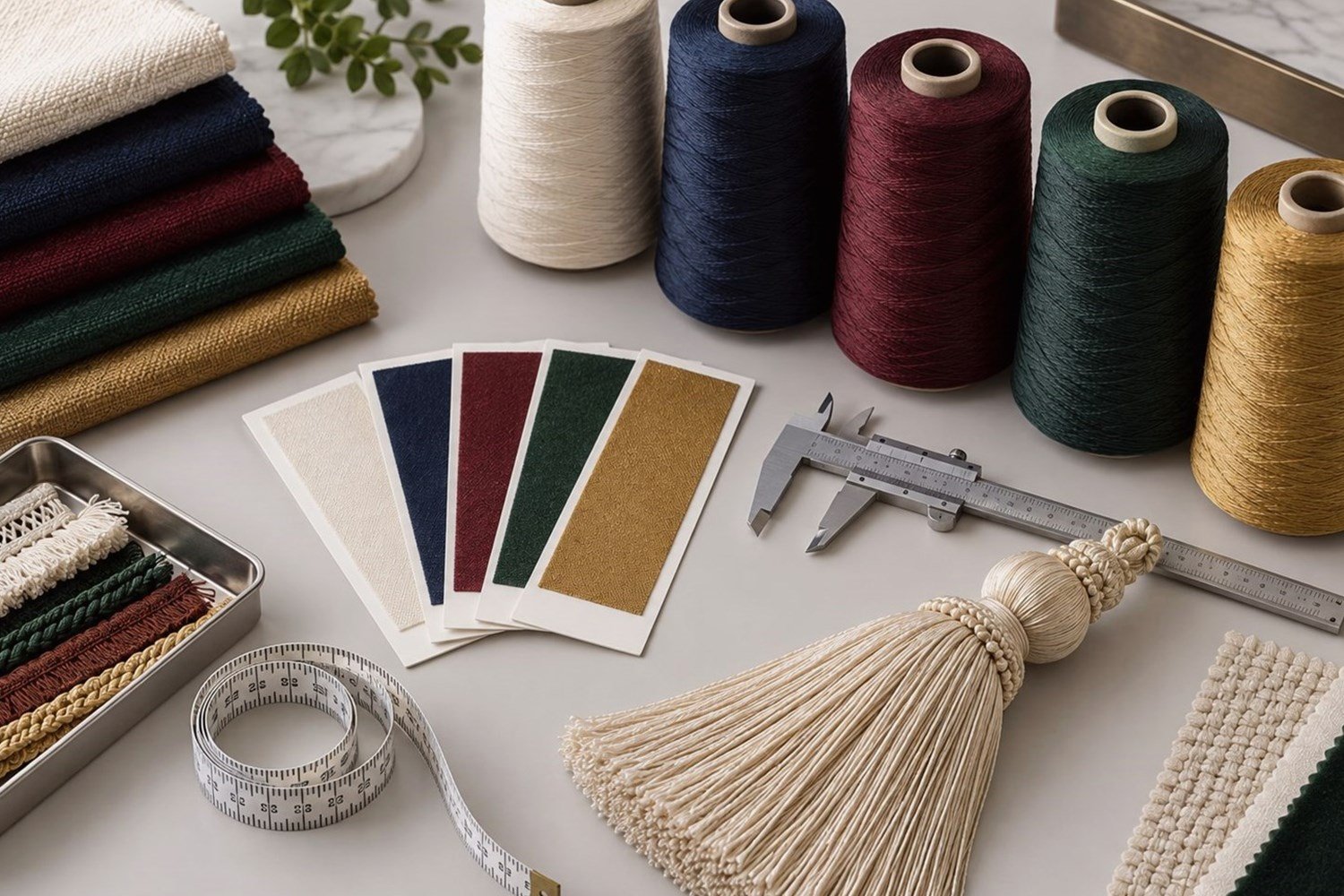
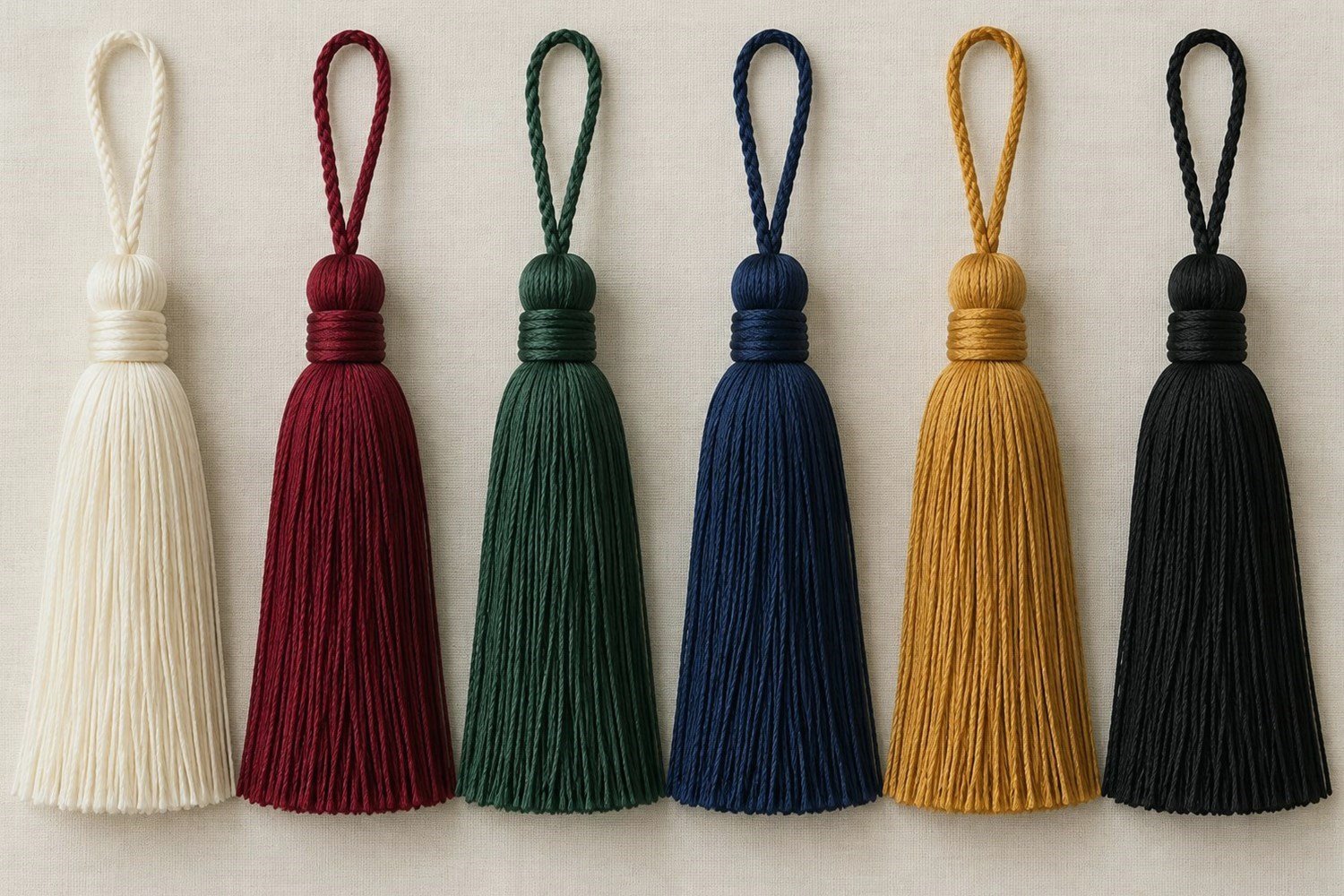
Tassel quality inspection showing approved sample, strands, head, cord, loop, components, and finished tassels

Quick Reference

Inspection Basics

Reference first
Compare with the approved specification and sample.
Workmanship
Check strands, head, skirt, cord, and components.
Dimensions
Use agreed reference points and units.
Color
Review material, sheen, and component coordination.
Function
Check the intended attachment and use.
Consistency
Compare relevant units with each other.
Quality result
Document findings against project requirements.
Approved tassel reference and finished tassels arranged for visual quality inspection

Overview

Inspect Against the Agreed Product Direction

Tassel quality inspection should compare the item with the intended specification and approved reference, then consider workmanship, functional suitability, and batch consistency. A visually attractive tassel can still be unsuitable if its dimensions, material direction, attachment, components, or construction do not match the required product.

Inspection LevelQuestion to AnswerExamples
Specification conformityDoes it match the agreed direction?Size, material, color, construction, components
WorkmanshipAre visible parts properly finished?Strands, head, neck, skirt, cord, loop
Functional suitabilityDoes it work with the product?Attachment, hanging position, visual proportion
Batch consistencyAre relevant units reasonably aligned?Scale, color direction, construction, finishing

Inspection sequence: approved reference, overall appearance, dimensions, material, color, strands and skirt, head and neck, cord and loop, attachments and components, functional fit, then batch consistency.

Main Content

Start With the Approved Reference

Approved tassel sample, written specification, dimension drawing, fabric reference, and finished product used for inspection

Begin an inspection with the approved reference and written product specification because quality is defined by what the project requires. The reference may be an approved sample, product drawing, dimension table, material direction, color reference, fabric swatch, existing product, or an agreed combination of these records.

Reference ItemWhat It Helps Check
Approved sampleOverall look, construction, proportion, and components
Dimension recordBody, skirt, head, cord, loop, and overall measurements
Material directionTexture, sheen, visual volume, and construction suitability
Color referenceShade direction and component coordination
End productAttachment, scale, and functional context

Visual inspection alone cannot prove every performance characteristic. It can, however, provide a structured comparison of visible workmanship and project conformity before sample approval, purchasing acceptance, or relevant bulk review.

Check Overall Appearance, Dimensions, Material, and Color
Finished tassels inspected for overall appearance, proportion, material character, color, and visible finishing

Review the complete tassel first, then check individual measurements, material character, and color against the agreed reference. This order prevents a detailed measurement check from overlooking an obvious mismatch in proportion, surface appearance, or component relationship.

Overall appearance

Look at the tassel in its normal hanging orientation. Check whether the overall silhouette, visual balance, head-to-skirt proportion, color distribution, fullness, cord direction, and components correspond with the approved direction. A well-made tassel should look intentional and coherent rather than unevenly assembled or visually unbalanced.

Dimensions

Measure only the values required by the project, using the same starting and ending points as the specification. Typical values can include overall length, body length, skirt length, head height and width, cord length, loop length, and maximum width. Do not treat “tassel length” as self-explanatory. See Tassel Size and Length for the terminology.

Material and color

Compare texture, sheen, fullness, visual volume, and surface direction with the agreed material direction. Check color on the actual tassel material and alongside any relevant fabric, product, or physical reference. The same color name can appear different across fibers and finishes. See Tassel Materials and Tassel Colors.

CheckWhat to Look ForReference
Overall silhouetteBalanced head, skirt, cord, and componentsApproved sample or image
DimensionsNamed values and measurement pointsDimension table
Material characterTexture, sheen, drape, fullnessMaterial note or sample
Color directionShade, finish, component coordinationPhysical reference where available

Check Strands, Skirt, Head, Neck, Cord, and Loop
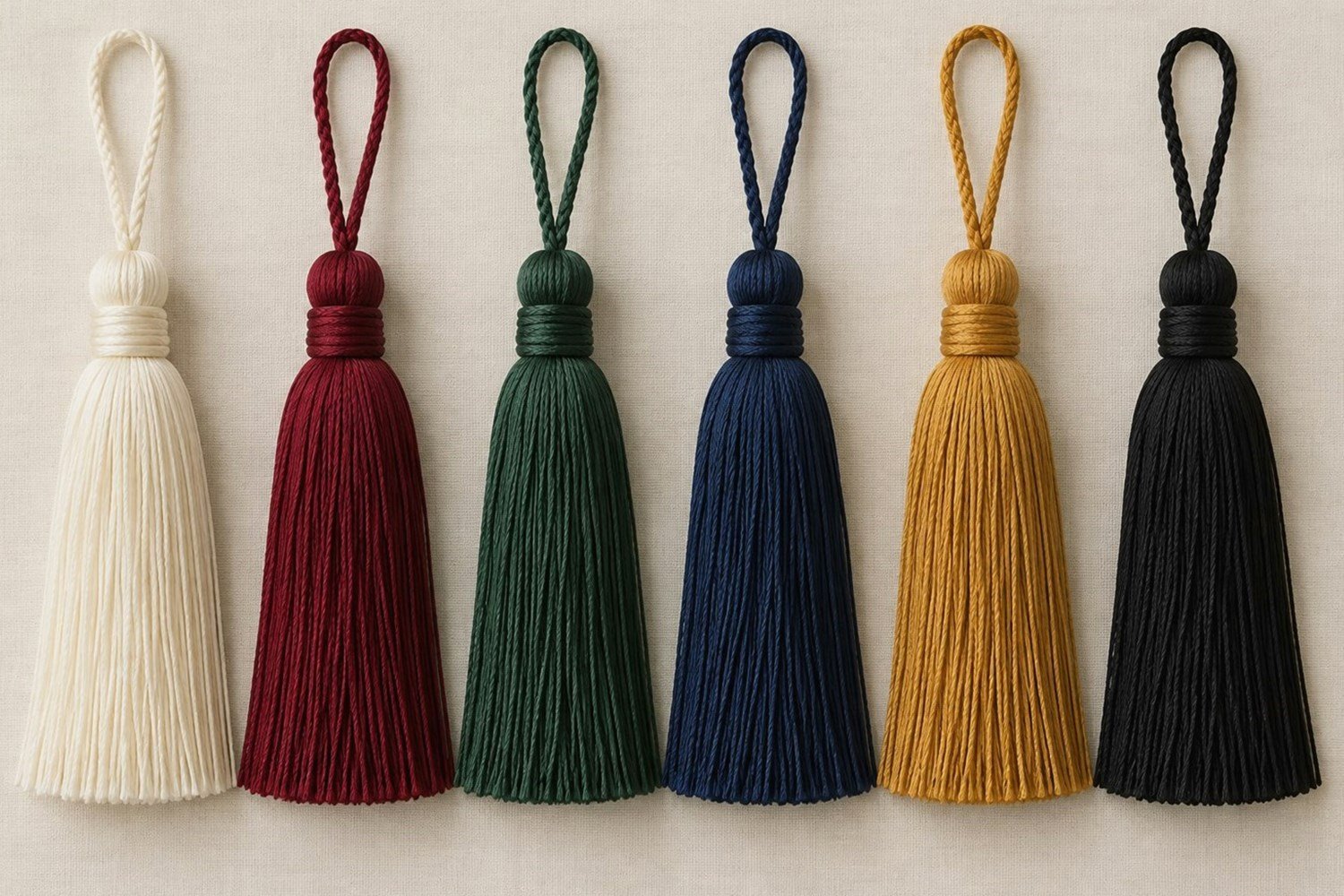
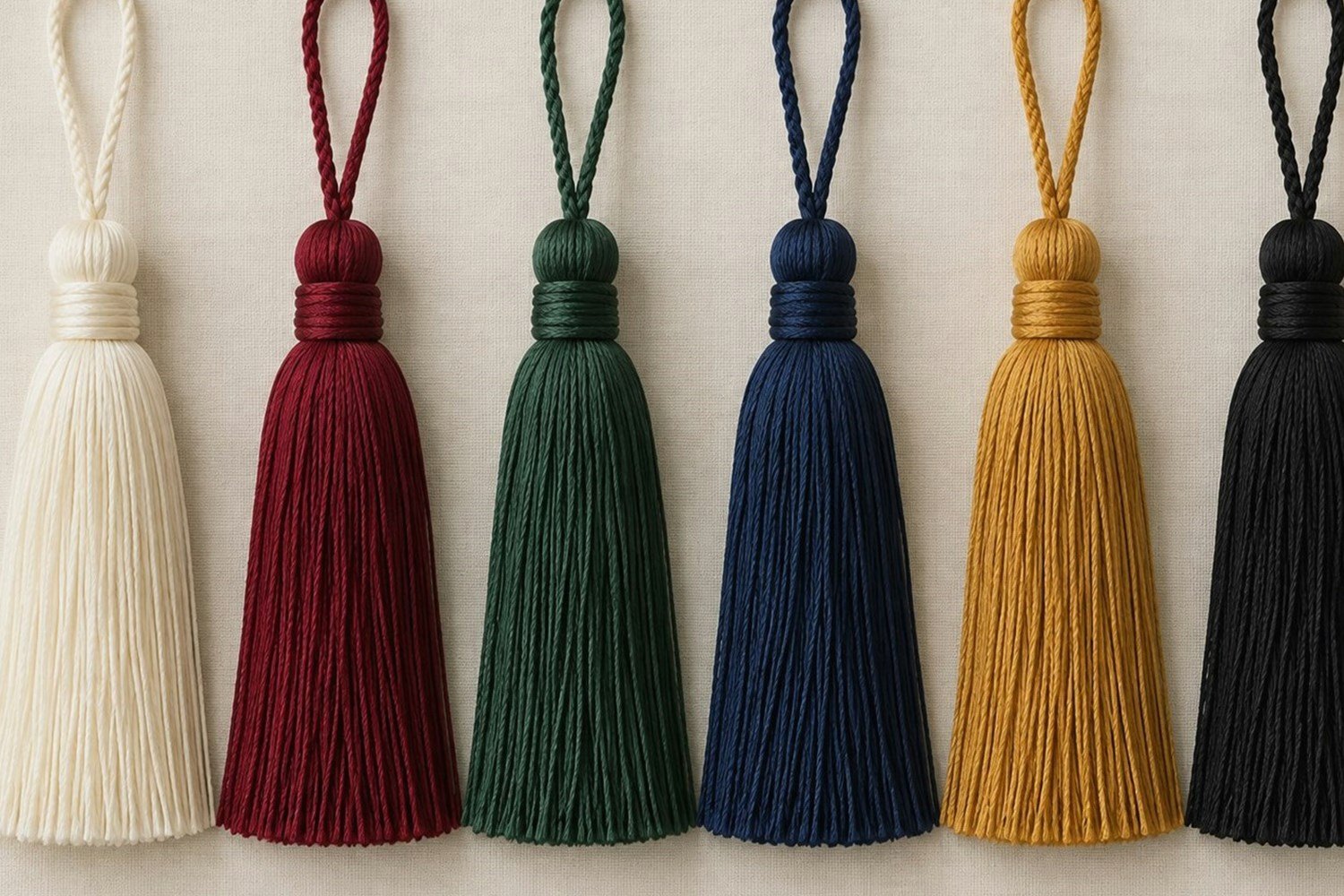
Tassel strands, skirt, head, neck, cord, and loop shown for workmanship inspection

Workmanship inspection focuses on how the visible textile parts are assembled and finished, including strands, skirt, head, neck, cord, loop, and attachment. The required appearance should be compared with the approved reference, because a decorative, textured, or intentionally irregular design needs different visual expectations from a smooth, aligned style.

Strands and skirt

  • Check strand alignment, coverage, fullness, and distribution in the normal hanging position.
  • Review the skirt edge for a finish that follows the intended outline and length.
  • Look for unintended tangling, pronounced gaps, inconsistent visible length, loose material, or an appearance that departs from the approved sample.
  • Remember that material, texture, and tassel style affect how full or smooth the skirt should look.

Head and neck

Check that head height, width, shape, wrapping, bead placement, neck position, and transition into the skirt match the agreed design. Review the head from several sides when it has visible components. An uneven or shifted head can change the balance of the complete tassel even when the skirt length is correct.
Wrapped, knotted, beaded, and decorative tassel heads inspected for shape, placement, and finishing

Cord and loop

Check the cord’s color, thickness, construction, visible twist or braid direction, length, and connection to the tassel. Check the loop’s opening, position, attachment, and agreed measurement method. For a bookmark, key, graduation item, or curtain product, compare the loop or cord with the actual product connection rather than viewing it separately.

Check Attachments, Beads, Charms, and Decorative Components
Beaded tassels and decorative components inspected for size, placement, color, finish, and connection

Attachments and decorative components should be inspected as part of the complete tassel because their position, scale, and finish affect both appearance and functional suitability. Components may include beads, decorative caps, wood, acrylic, resin, metal elements, knots, metallic accents, charms, rings, and product-specific connectors.

ComponentInspection Focus
BeadsSize, shape, color, number, position, arrangement
Caps and head elementsScale, finish, alignment, relationship to neck and skirt
CharmsShape, year, logo, text, finish, placement, attachment
AttachmentConnection method, fit with intended product, visible presentation
Decorative componentsMaterial, color, proportions, and connection to overall design

For a component-led design, compare the full combination with the approved reference. A bead or charm can be individually correct yet still appear misplaced or out of proportion in the complete tassel. See Beaded Tassels for the related category.

Check Functional Suitability With the Intended Product

Graduation, bookmark, key, curtain, and home textile tassels checked with their intended products

Functional suitability means the tassel works with the intended product in the expected position, not simply that it looks acceptable on its own. Check attachment, hanging drop, visual scale, cord or loop relationship, and components while the tassel is placed with the product it will actually serve.

ApplicationFunctional Review
GraduationLoop, cord, cap relationship, charm, institutional direction
BookmarkCompact attachment, book scale, body and loop drop
KeyLoop or ring connection, key or furniture scale, decorative weight
CurtainCord, tieback position, fabric coordination, drapery effect
Home textileTexture, proportion, product style, attachment

The same inspection point can have a different priority by application. A graduation tassel should be checked against the relevant cap and institutional requirements. A curtain tassel or tieback should be viewed with its fabric and placement. A bookmark tassel should be checked with the printed bookmark or book.

Compare With the Approved Sample and Check Batch Consistency

Several tassels compared with an approved sample for color, size, construction, and finishing consistency

For a bulk review, compare relevant units with the approved reference and with each other to identify visible differences in scale, material direction, color, construction, or finishing. Batch consistency is a practical comparison process; it should use the actual project requirements instead of a generic numerical defect limit.

Comparison AreaWhat to Compare
Specification conformityDimensions, material, color, construction, and components
Visible workmanshipStrand distribution, skirt finish, head, cord, loop, attachment
Color directionShade, sheen, component coordination, reference context
ProportionHead, skirt, cord, loop, beads, and charms together
Functional fitAttachment and use with the intended product

Common tassel defects to investigate

Investigate visible differences that depart from the approved direction, such as an uneven skirt outline, unintended gaps, inconsistent strand distribution, loose visible finishing, shifted head or bead placement, cord or loop mismatch, incorrect component color, or an attachment that does not suit the product. The finding should be documented against the project reference rather than described using invented universal limits.

Inspection record checklist

  • Approved sample and written specification available for comparison.
  • Measurements checked with agreed points and units.
  • Material, color, sheen, strands, skirt, head, neck, cord, loop, and components reviewed.
  • Functional fit checked with the intended product where possible.
  • Relevant units compared with the approved reference and each other.
  • Findings, images, and required follow-up recorded clearly.

Tassel quality inspection examples showing strands, skirts, heads, cords, loops, beads, and components

FAQ

Frequently Asked Questions

Practical answers for B2B tassel inspection and sample comparison.

How do you check tassel quality?

Check tassel quality against the approved specification and reference. Review overall appearance, dimensions, material, color, strands, skirt, head, neck, cord, loop, attachment, beads or charms, functional fit, and relevant batch consistency. Document findings in relation to the required product direction.

What does a well-made tassel look like?

A well-made tassel should match the intended design in proportion, material character, color direction, construction, and finishing. Its strands, skirt, head, neck, cord, loop, and visible components should look intentional and coherent relative to the approved reference and end product.

How do you check tassel strands and fullness?

Review the tassel in its normal hanging position. Compare strand alignment, distribution, coverage, fullness, and the skirt edge with the approved sample. Material and intended style matter: a textured or deliberately full tassel should not be judged by the same visual expectations as a smooth, aligned style.

How do you check tassel trimming?

Compare the skirt edge and finished outline with the approved reference and specified skirt length. Look for an unintended irregular outline, visible gaps, or inconsistent length that changes the product’s intended appearance. Use the agreed measurement points rather than assuming a general trim standard.

How do you check tassel dimensions?

Measure the required components using the same start and end points stated in the specification. Values can include overall, body, and skirt length; head height and width; cord length; loop length; and maximum width. Record the units and method used for comparison.

How do you check tassel color?

Compare color with the approved material or physical reference where available, considering the yarn’s texture and sheen. Review the tassel beside the relevant fabric or product when coordination matters. A screen image can help communication, but it should not be treated as an exact textile color reference.

How do you check the head and neck?

Check head size, shape, wrapping, bead placement, neck position, and the transition into the skirt against the approved direction. Review complex or decorative heads from several sides. A shifted or unbalanced head can affect the complete tassel even if other measurements match.

How do you check the cord and loop?

Check color, thickness, construction, visible twist or braid, length, connection, loop opening, and attachment position. Confirm loop measurements using the agreed method. Then test the relationship with the intended product, such as a cap, bookmark, key, or curtain system.

How do you check beads and charms?

Inspect the component material, size, shape, color, quantity, finish, position, arrangement, and connection. Compare the full tassel with the approved reference because a component can be individually correct yet look misplaced or disproportionate in the combined design.

What are common tassel defects?

Common issues to investigate include an unintended uneven skirt, gaps in strand distribution, loose visible finishing, shifted head or bead placement, cord or loop mismatch, incorrect component color, and attachments that do not fit the intended product. Assess each finding against the project specification.

How do you compare a tassel with an approved sample?

Place the sample and approved reference in the same viewing context, then compare dimensions, material character, color, construction, component placement, overall proportion, and product fit. Record observations, images, and any agreed revision against the relevant specification, rather than relying on memory alone.

How do you check consistency across a bulk order?

Compare relevant units with the approved reference and with each other for visible alignment in dimensions, material direction, color, construction, finishing, components, and attachment. Use the actual project requirements and document findings; do not rely on a generic universal defect or tolerance claim.

Finished tassels arranged for quality comparison by material, color, construction, and decorative detail

Conclusion

How to Check Tassel Quality: Key Takeaways

Check tassel quality against the intended specification and approved reference, then assess workmanship, functional suitability, and batch consistency. A structured review starts with the complete appearance, moves through dimensions, material, color, strands, head, cord, loop, and components, and finishes by viewing the tassel with its actual product.

  • Use the approved sample and written specification as the reference.
  • Check visible workmanship in the strands, skirt, head, neck, cord, loop, and components.
  • Measure only required dimensions with the agreed points and units.
  • Compare material, color, sheen, and fullness in the intended product context.
  • Review functional attachment and hanging position.
  • Document batch comparisons against actual project requirements.

For related product-development context, see Custom Tassels, How to Customize Tassels, Graduation Tassels, and Beaded Tassels.

Discuss a quality specification

Inquiry Form

Discuss Tassel Quality Requirements

Share the intended product, approved reference, required dimensions, material and color direction, construction, components, and inspection priorities. This creates a clearer starting point for a project-specific quality discussion.

Tassel samples, inspection notes, material references, and components prepared for a quality discussion

Close-up tassel surface, components, and finishing details for quality review

Published: •Topic: Tassel quality inspection and consistency

Start a conversation

Tell us what you need

Share your product type, colour, dimensions and quantity. Our sales team will review your request and reply by email.

  • Emailsales@evnubtrims.com
  • Phone+86 18268767650