Curtain knowledge base

How to Choose Curtain Tiebacks

Choose curtain tiebacks by starting with the curtain rather than the accessory. Consider the curtain fabric, fullness, gathered volume, intended open position, fastening method, and frequency of use first. Then select the tieback type, size, material, color, construction, and decorative details. The best tieback fits the gathered curtain, performs the required function, and coordinates with the complete window treatment.

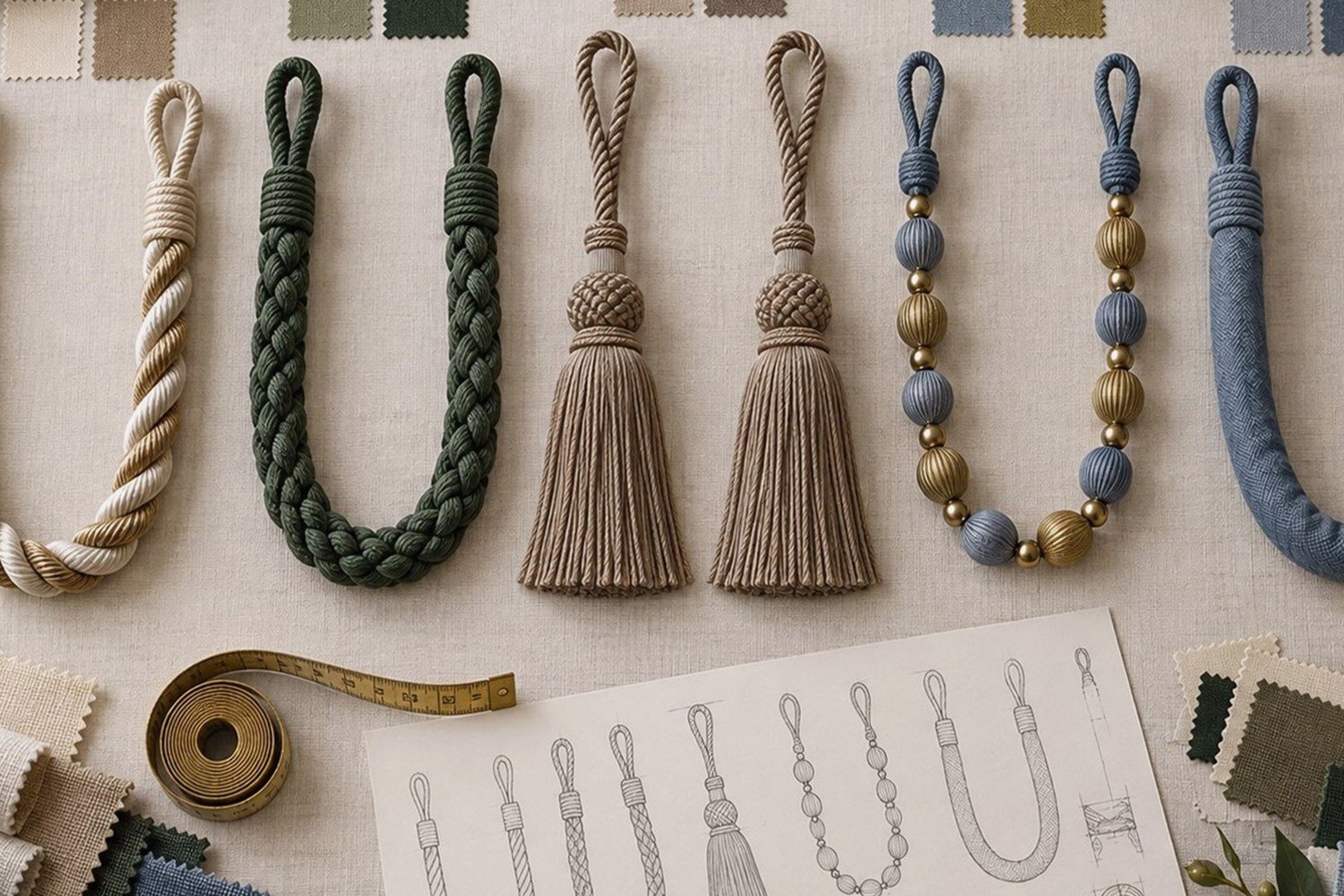
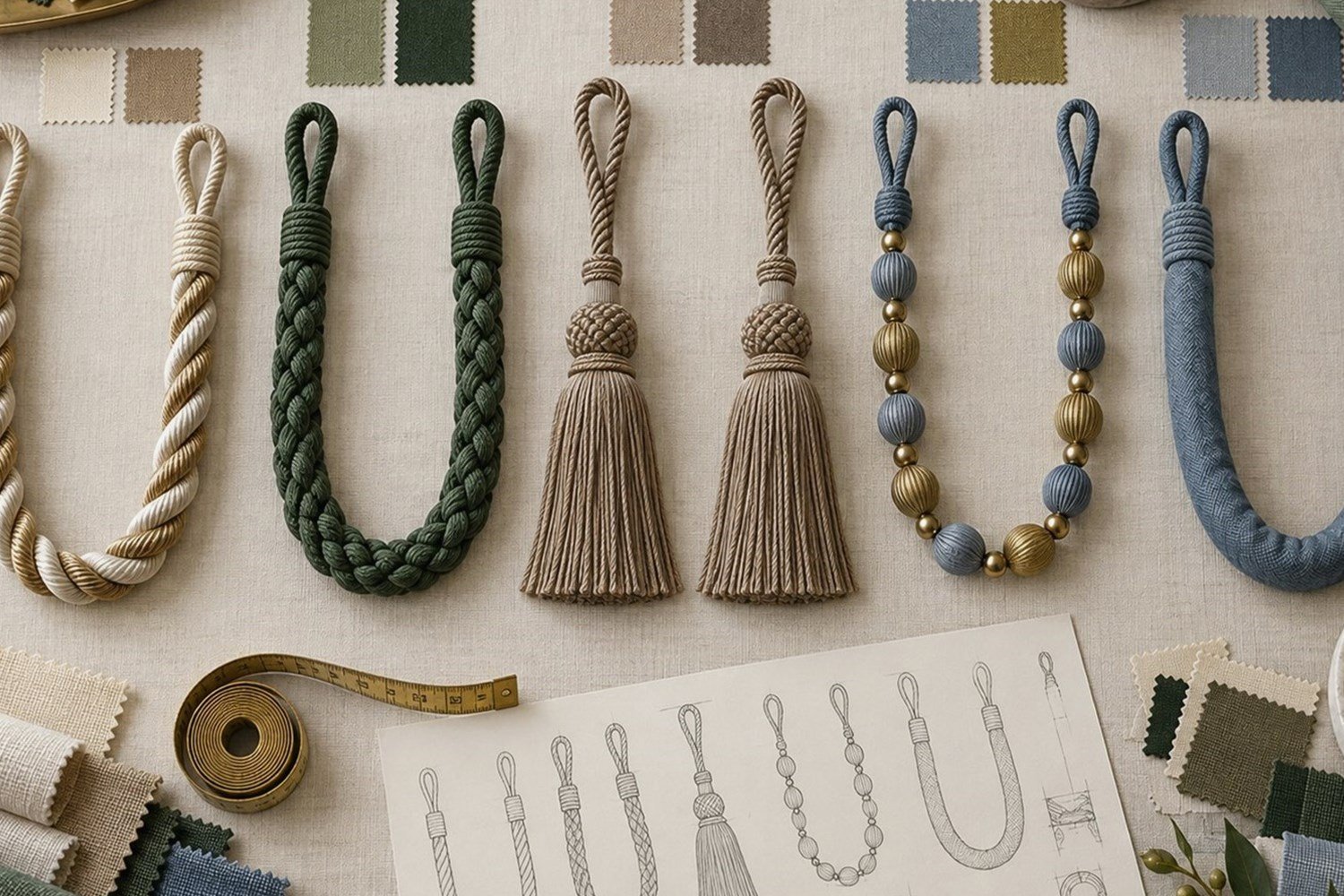
Rope, tassel, magnetic, beaded, and fabric curtain tiebacks compared with different curtain panels

Quick Reference

Selection Sequence

Start with
The curtain, not the tieback.
Curtain factors
Fabric, fullness, and gathered volume.
Function
Open position and frequency of use.
Fit
Secure and appropriately fitted.
Approval
Test the complete curtain sample.
Curtain tieback selection factors including fabric, fullness, size, fastening, material, color, and decorative components

Overview

Choose for Compatibility

Curtain tieback selection is a compatibility decision rather than an appearance-only decision. A color or silhouette can look promising in isolation, yet the finished tieback may not fit the gathered fabric, hold the intended position, or suit the required fastening. Review the curtain, function, construction, and sample as one system.

Selection FactorWhat to CheckWhy It Matters
Curtain fabricTexture, density, constructionAffects gathered behavior
FullnessAmount of fabricChanges gathered volume
Intended useOpen, partial, decorative, dailyDefines the function
Type and fasteningRope, tassel, magnetic, loop, hookDefines product concept
Size and materialFit, length, textile, componentsSupports fit and appearance
SampleComplete curtain combinationConfirms compatibility
Do Not Choose By OnlyAlso Consider
AppearanceCurtain volume and function
ColorMaterial and construction
Tieback typeFastening and size
Curtain weightFullness and gathered volume
Window widthActual gathered curtain

Main Content

What Should You Consider When Choosing Curtain Tiebacks?
Curtain tieback selection process from curtain evaluation to final tieback approval

When choosing curtain tiebacks, consider the curtain fabric, fullness, gathered volume, intended use, fastening method, tieback size, material, color, decorative components, and frequency of adjustment. These factors work together: a tieback that looks suitable may still have the wrong fit, closure, or construction for the actual curtain.

Selection sequenceDecision to make
1. ApplicationDefine room, curtain use, and intended open result.
2. Fabric and fullnessReview texture, lining, layers, and amount of fabric.
3. Gathered volumeAssess the actual bundle, not flat width alone.
4. FunctionSet fully open, partially open, or decorative gathering.
5. Type and fasteningSelect rope, tassel, magnetic, beaded, fabric, hook, loop, or ring.
6. Fit and finishConfirm size, material, color, components, and sample approval.
  • Identify the curtain and its intended application.
  • Check fabric, fullness, layers, and actual gathered volume.
  • Define the desired open position and adjustment frequency.
  • Select type, fastening, size, material, color, and decoration.
  • Test the complete tieback with the intended curtain.

Match the Tieback to Fabric, Volume, and Function
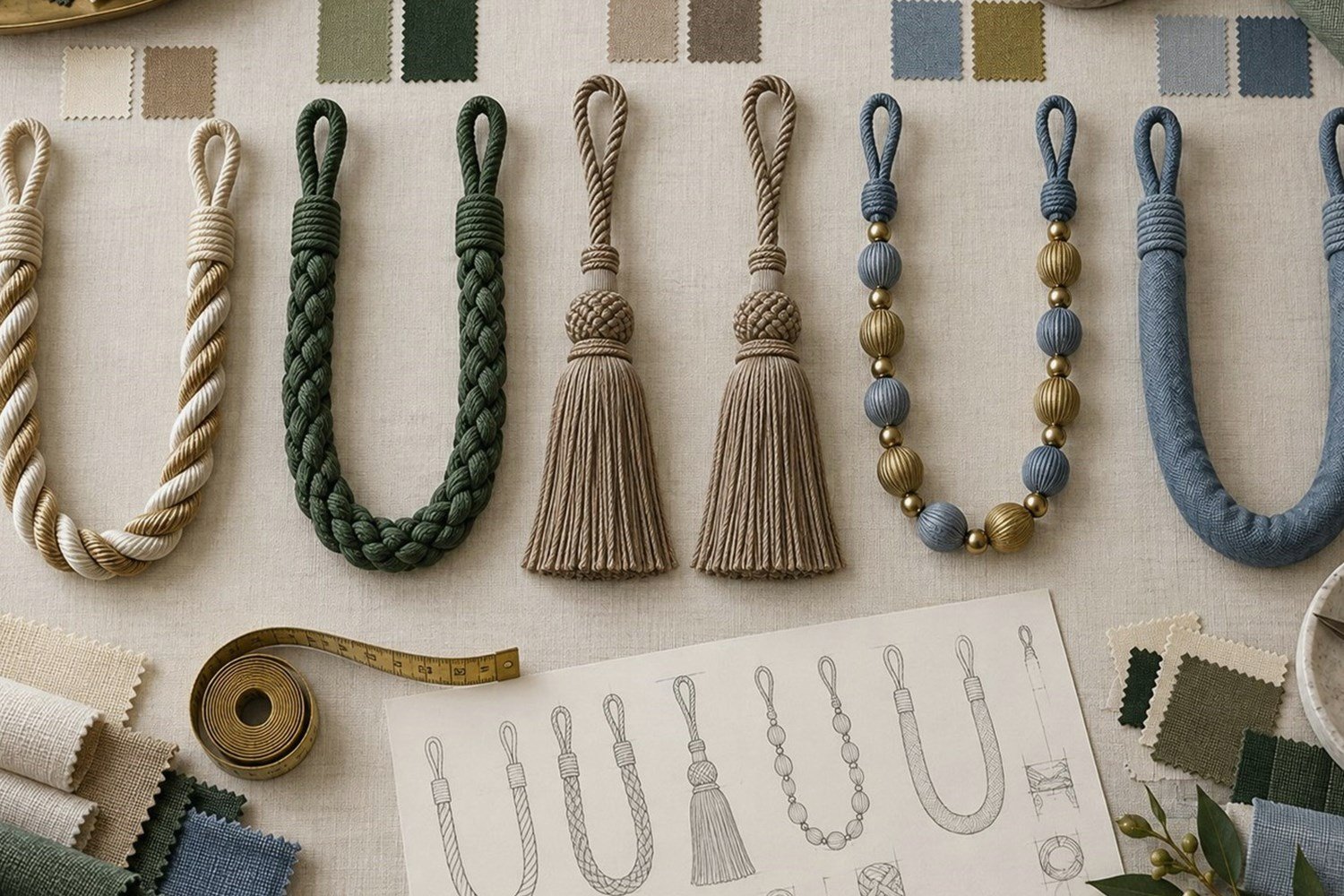
Curtain fabrics with rope, tassel, magnetic, beaded, and fabric tieback options for compatibility review

Evaluate curtain fabric and fullness together, then judge the gathered volume created by the actual panel arrangement. Curtain weight alone is not a complete selection rule. A lightweight but very full curtain can make a large gathered bundle, while a denser curtain with less fullness can present a different fit requirement.

Curtain conditionSelection questionsUseful check
Sheer or lightweightWill the closure and components look proportionate?View the gathered fabric directly.
Lined or layeredDoes the wrap accommodate all intended layers?Test the complete window treatment.
Full or denseIs the usable wrap and fastening appropriate?Check the actual gathered bundle.
Decorative draperyDo folds and components support the intended look?Review visible proportion and placement.

Tieback length should be selected according to the gathered curtain, not window width alone. There is no universal length, rope diameter, loop length, or universal placement height. A secure but appropriately fitted tieback should hold the desired arrangement without unnecessarily compressing or distorting the fabric.

Choose Type, Fastening, Material, and Color
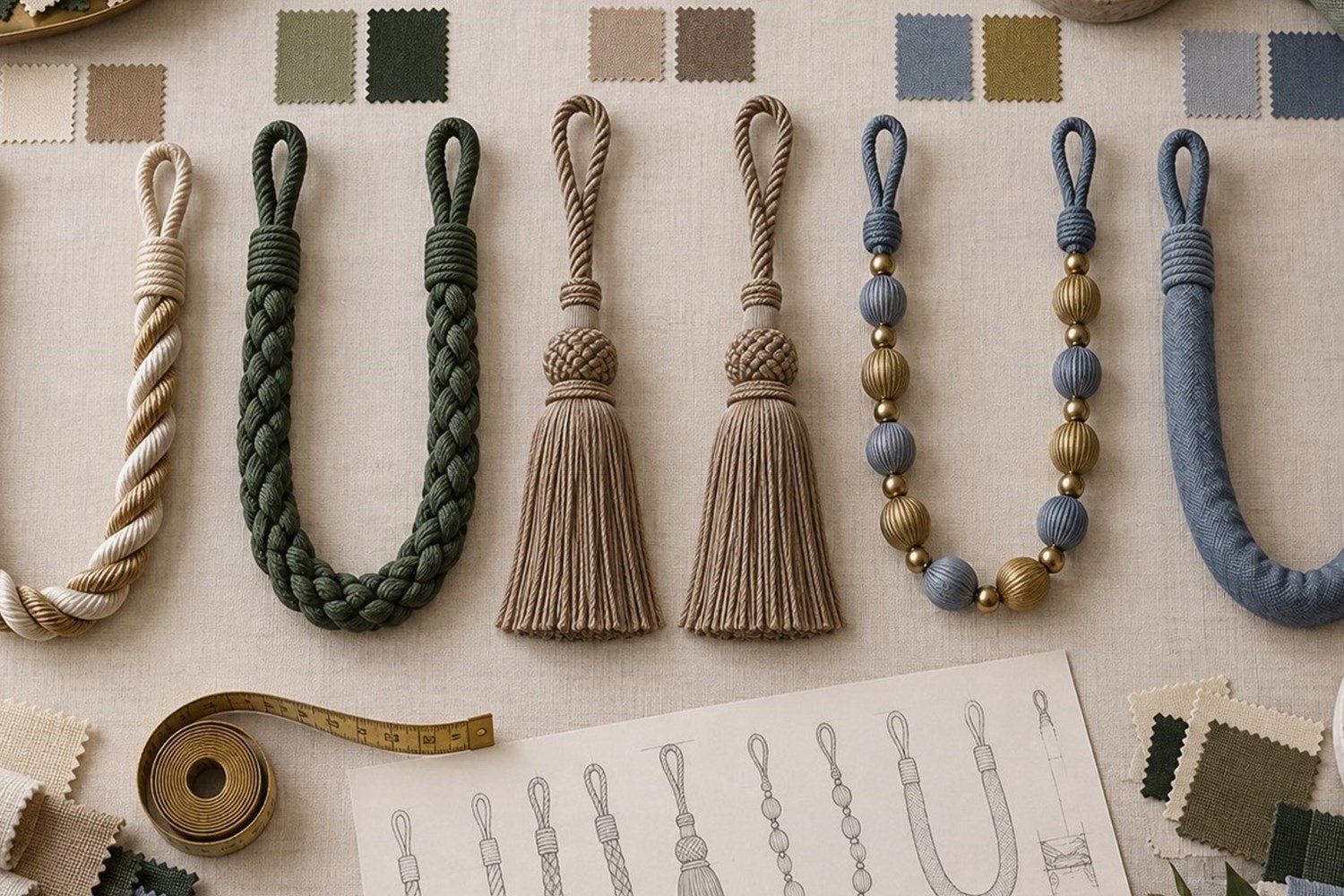
Rope, tassel, magnetic, beaded, and fabric curtain tiebacks with different fastening and decorative components

Choose the tieback type after defining curtain compatibility and intended function, then select fastening, material, color, and decoration as connected choices. Rope, tassel, magnetic, beaded, fabric, and mixed-material tiebacks can serve many applications; no one category is universally best for a particular curtain or interior label.

OptionWhat to evaluate
Rope tiebacksCord construction, wrap, attachment, and visible texture.
Curtain tassel tiebacksTassel proportion, cord, caps, and decorative balance.
Magnetic tiebacksGathered volume, body length, closure, connection, and adjustment use.
Beaded tiebacksBead placement, component relation, and overall proportion.
Fabric tiebacksTextile coordination, band construction, and attachment.

Color can match the curtain, use a related tone, contrast deliberately, coordinate with hardware, or follow a brand or project reference. Tiebacks do not need to match curtain color or hardware exactly. Select the approach that supports the complete window treatment, surface sheen, nearby textiles, and required product direction.

Consider Frequency of Use and Complete Sample Testing

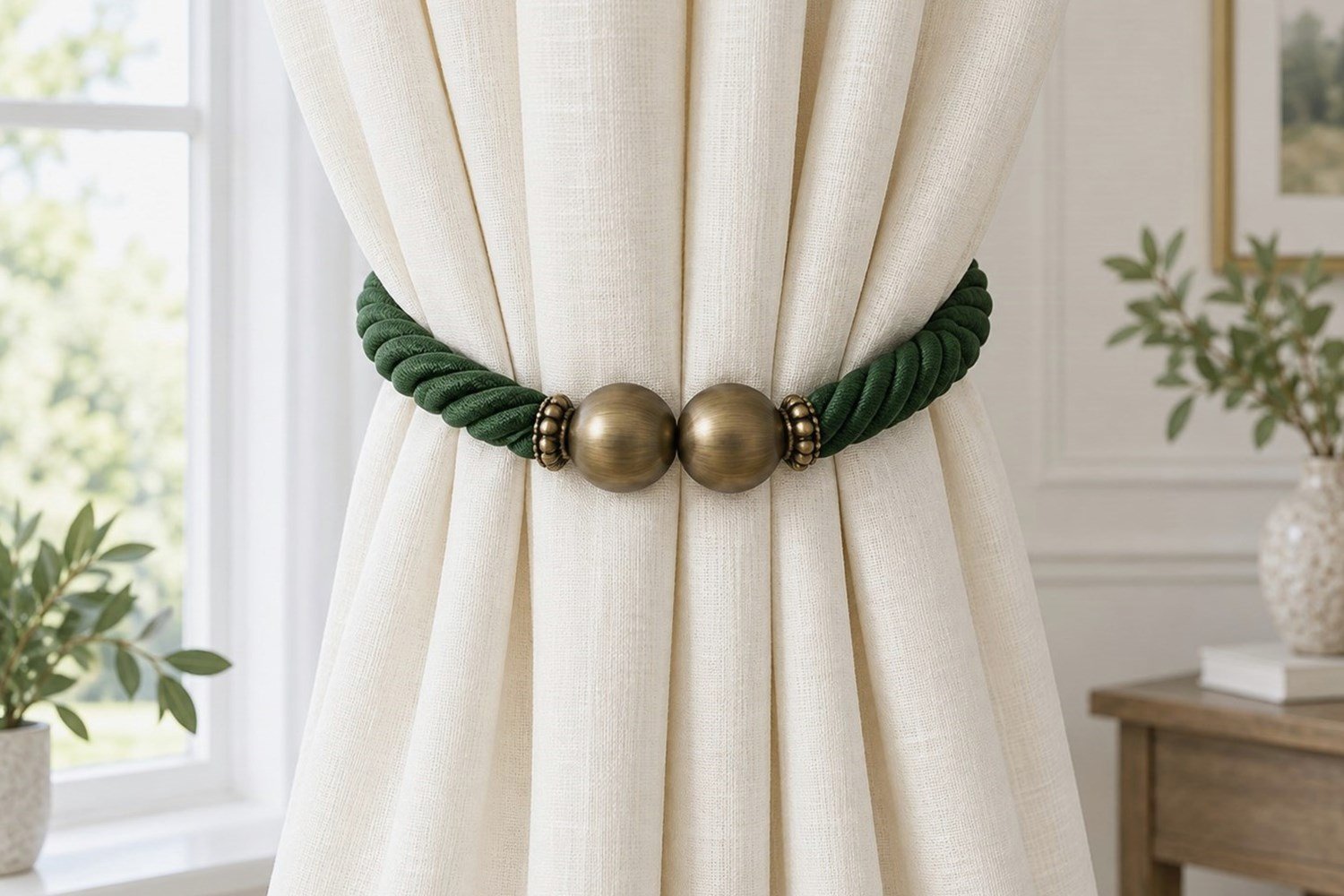
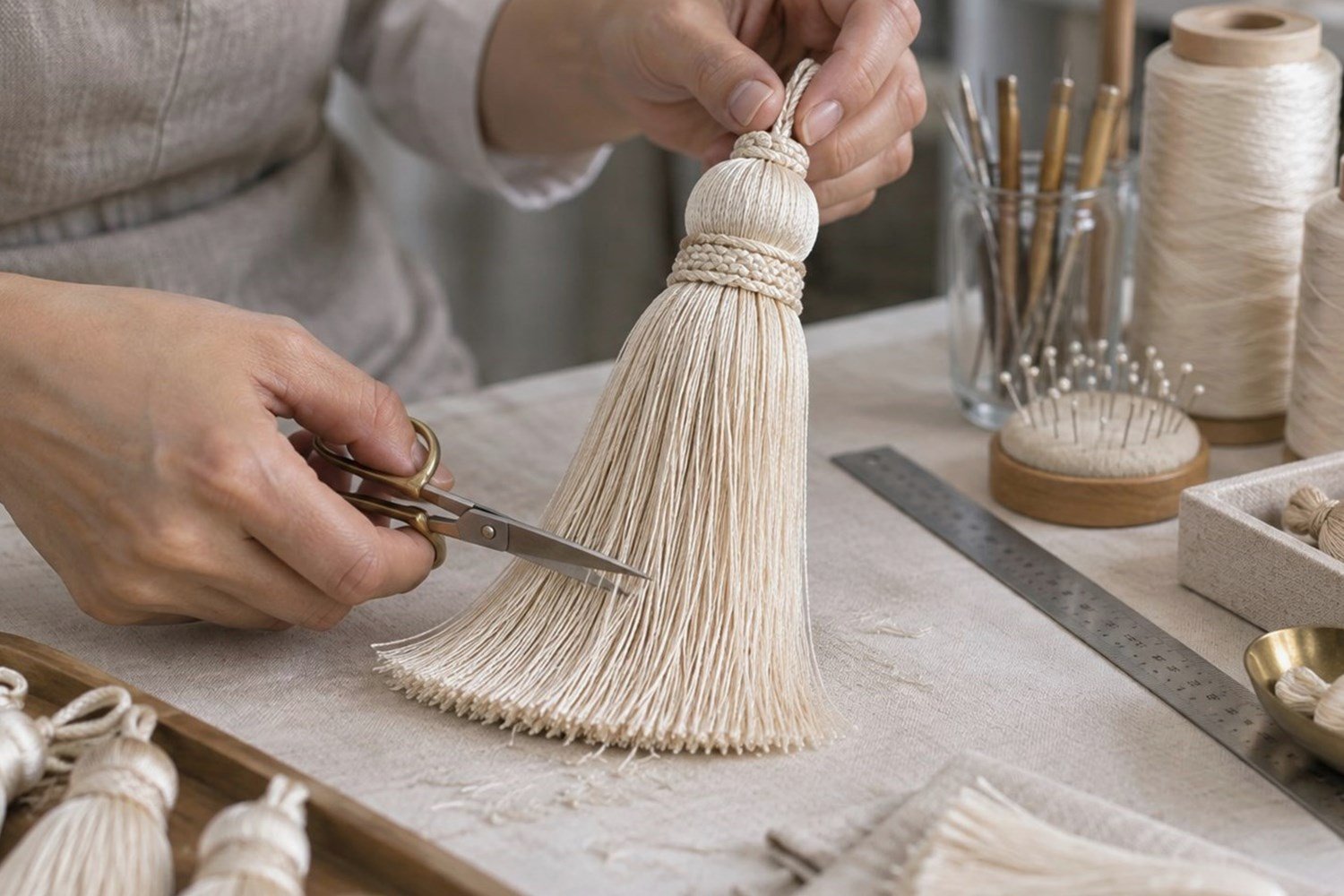
Curtain tieback sample evaluated directly on the intended curtain fabric for fit and fastening

Frequency of adjustment can influence fastening and construction because a curtain adjusted every day has different practical demands from one held in a fixed decorative position. It does not automatically determine one “best” closure. Instead, review whether the intended operation remains convenient, repeatable, and appropriate for the product concept.

Use patternQuestions to consider
Occasional adjustmentIs the intended decorative arrangement retained?
Daily adjustmentIs the fastening convenient to operate repeatedly?
Display or showroomDoes the tieback maintain the desired presentation?
HospitalityCan the arrangement be repeated consistently?

The most reliable fit check uses the complete tieback with the intended curtain or a representative curtain sample. Confirm fit, gathered position, fold shape, fastening, usable length, material, color, tassel or bead proportion, components, and overall appearance. A product can look correct by itself yet behave differently around the actual fabric.
B2B Selection

What Should Buyers Specify Before Production?

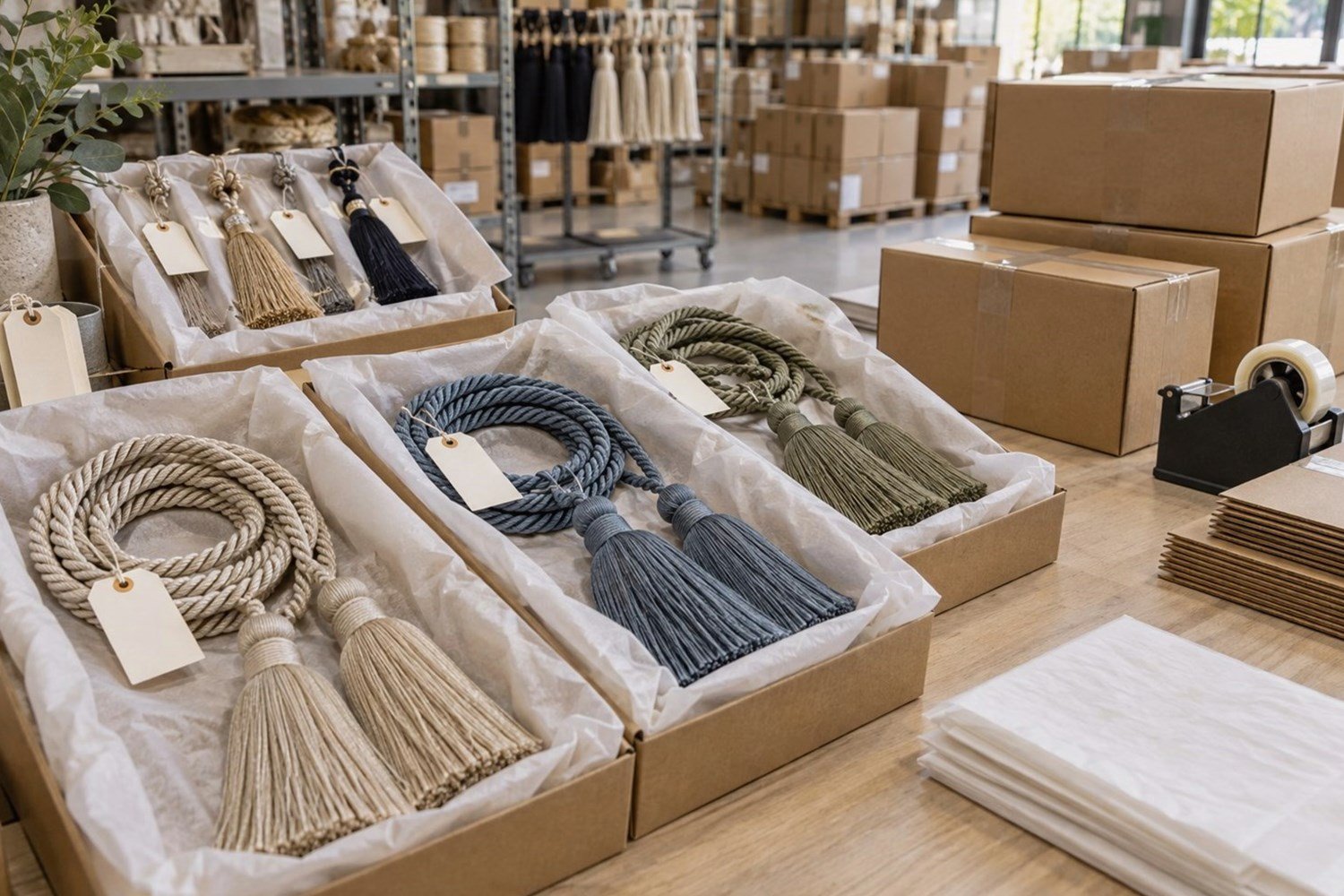
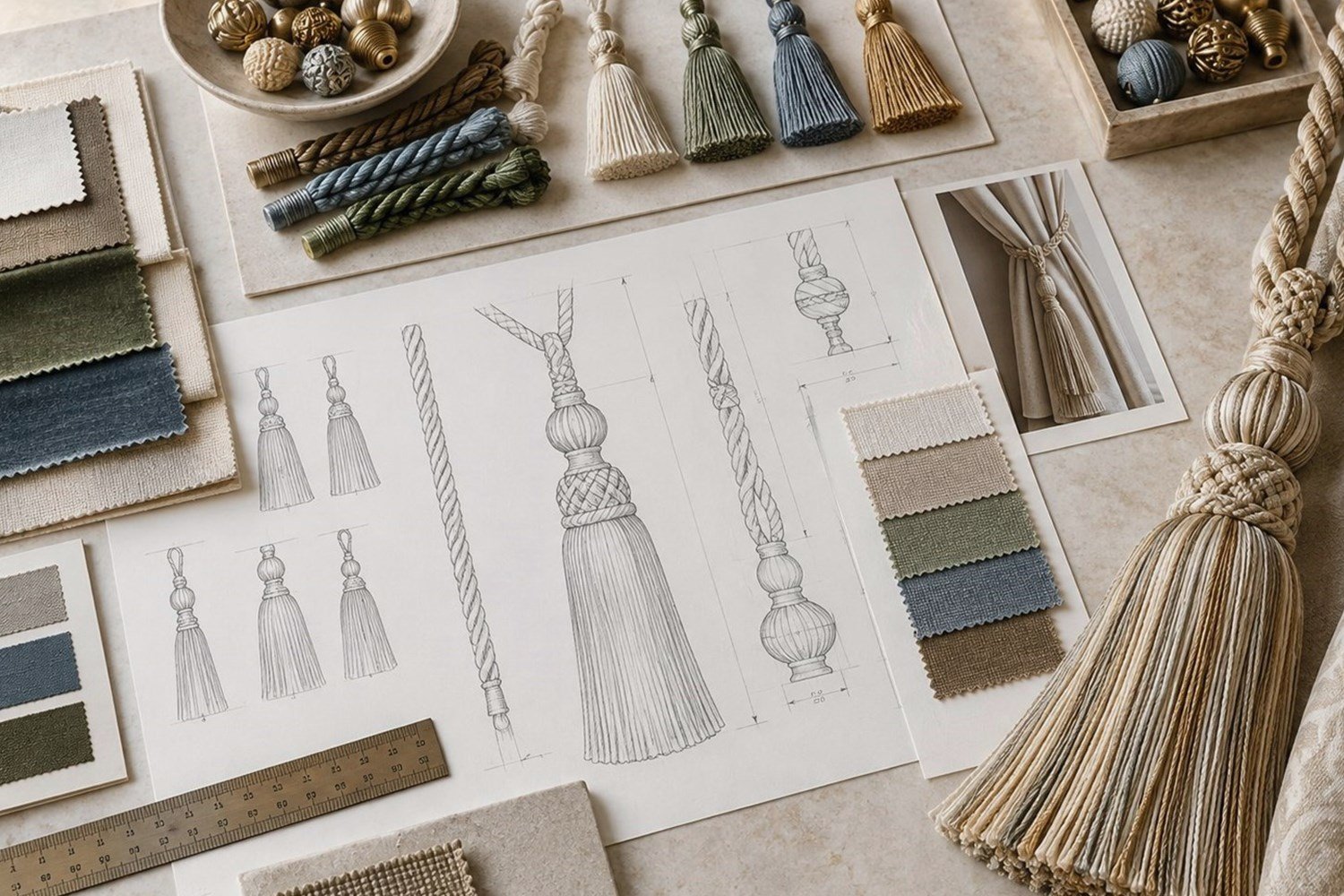
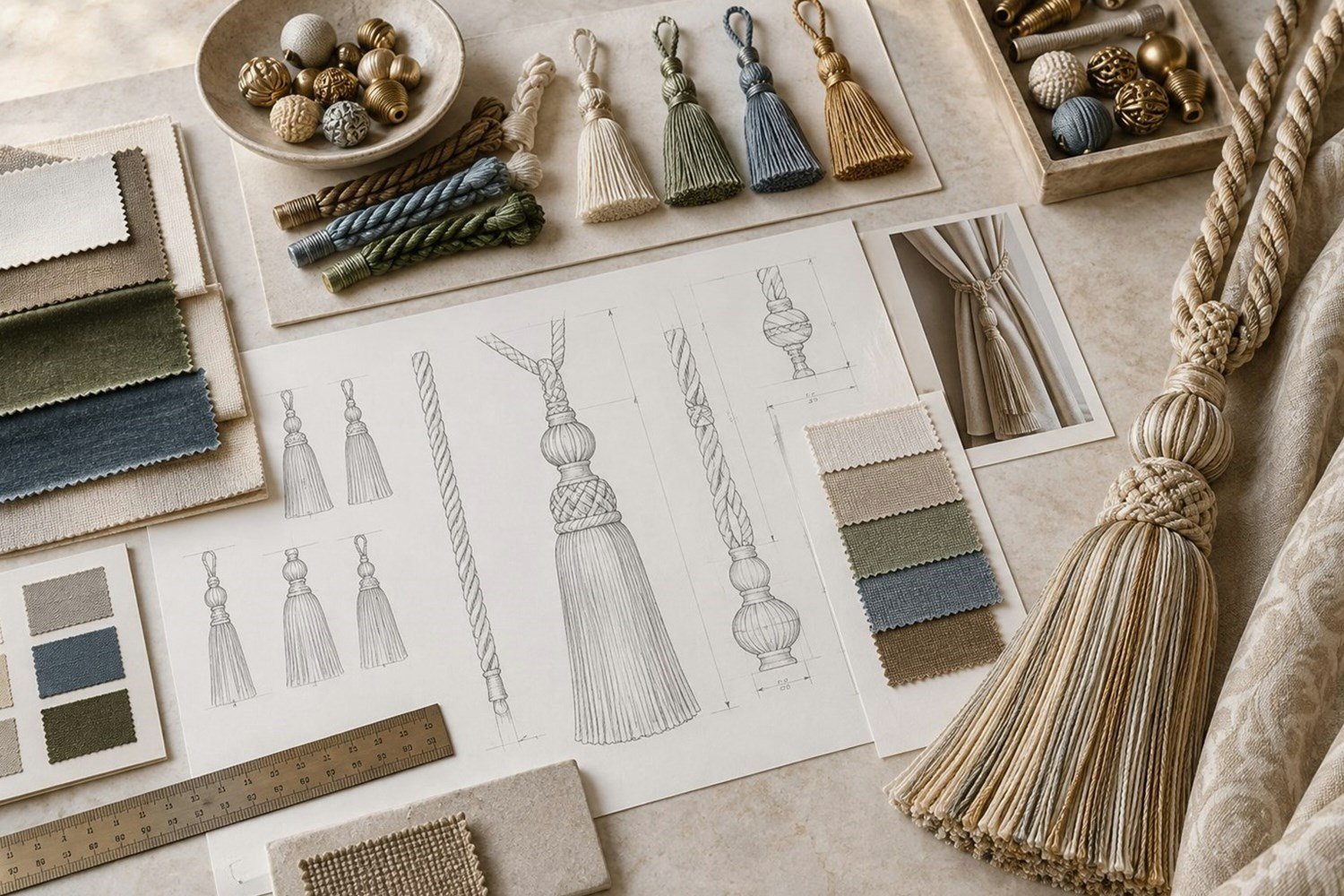
B2B curtain tieback selection specification with curtain fabric, rope, tassels, beads, colors, and samples

For B2B sourcing, curtain tieback selection should become a complete product specification before bulk production. Define the application, curtain information, gathered volume, product type, fastening, dimensions, materials, colors, construction, decorative components, packaging, representative sample, and approved final reference. A product name or screen image is not a complete specification.

RequirementBuyer ReferenceApproved Specification
Curtain applicationResidential, hospitality, collection, or commercial
Curtain informationMaterial, fullness, layers, gathered volume, reference
Tieback conceptRope, tassel, magnetic, beaded, fabric, or mixed
Fastening and sizeHook, loop, ring, magnetic, self-tied; relevant dimensions
FinishMaterials, colors, tassels, beads, rings, caps, components
Project approvalQuantity, packaging, representative sample, final reference
  • Confirm application, curtain material, fullness, layers, and gathered volume.
  • State type, fastening method, overall and usable dimensions, construction, and components.
  • Provide color and material references, not only a general name.
  • Review a representative sample on the intended curtain before approval.

Explore Custom Curtain Tiebacks, Rope Tiebacks, Curtain Tassel Tiebacks, Magnetic Curtain Tiebacks, and Beaded Tiebacks for product-category context.

Common Selection Mistakes

Curtain tieback selection examples based on size, gathered volume, color, and construction

Most selection risk comes from deciding on appearance or a category name before confirming curtain compatibility, fastening, fit, and a representative sample. A short review sequence can prevent a beautiful but unsuitable result.

MistakeWhy It Creates RiskBetter Approach
Choosing before seeing the curtainFit becomes an assumptionStart with the actual curtain application.
Selecting by appearance aloneFastening and function may be missedCheck fit, construction, and operation.
Using weight aloneFullness and volume are ignoredAssess the gathered bundle.
Using window width for lengthWindow width does not define wrap fitUse the gathered curtain reference.
Over-tighteningFabric and folds can be distortedChoose a secure, appropriate fit.
Approving color on screen onlySurface and reference may differUse a physical reference where relevant.
Ordering by product name aloneDetails are undefinedCreate an approved specification.
Curtain tieback samples compared for fabric, fullness, size, fastening, color, and construction

FAQ

Frequently Asked Questions

How do I choose the right curtain tiebacks?

Start with the curtain. Evaluate its fabric, fullness, gathered volume, intended open position, and frequency of use. Then choose type, fastening, size, material, color, construction, and decorative components. Test the complete tieback with the intended curtain before final approval whenever possible.

How do I choose tiebacks for different curtain fabrics?

Review fabric texture, density, lining, layers, and the gathered result together. The tieback should fit the actual curtain arrangement and coordinate with its intended appearance rather than follow a universal material rule.

Does curtain weight affect selection?

Yes, but it should not be considered alone. Fullness, lining, layers, fabric construction, and gathered volume also affect fit. A lightweight but very full curtain can create a large gathered bundle.

Does curtain fullness affect selection?

Yes. Greater fullness generally means more fabric must be gathered, which can change usable wrap length, fit, and visual proportion. Evaluate the actual gathered curtain rather than flat dimensions only.

How do I choose the right tieback size?

Choose according to the gathered curtain volume, desired fit, fastening method, construction, and components. Window width alone does not determine the required tieback size.

How long should curtain tiebacks be?

There is no universal curtain tieback length. The gathered curtain, desired tightness, fastening, tieback construction, fullness, and components such as loops or tassels all affect the required fit.

How tight should curtain tiebacks be?

They should fit securely without unnecessarily compressing or distorting the fabric. The appropriate fit depends on fullness, material, fold shape, construction, and intended appearance.

Should tiebacks match the curtains or rods?

Not necessarily. Tiebacks can match, coordinate, contrast, repeat a hardware finish, or follow another project color. The choice depends on the complete window treatment and specification.

How do I choose between rope and magnetic tiebacks?

Compare the desired construction, gathered volume, fastening, cord or body length, visual direction, and frequency of adjustment. Neither option is universally best for every curtain.

How do I choose tassel curtain tiebacks?

First confirm the curtain fit and fastening, then review tassel proportion, cord construction, color, caps, and other visible components against the curtain and project reference.

What should B2B buyers confirm before ordering?

Confirm application, fabric, fullness, gathered volume, type, fastening, dimensions, materials, colors, construction, decorative components, packaging, representative sample, and final approved specification.

Curtain tiebacks matched with curtain fabric, fullness, gathered volume, and decorative requirements

Conclusion

How to Choose Curtain Tiebacks: Key Takeaways

The best way to choose curtain tiebacks is to start with the curtain rather than the accessory. Evaluate application, fabric, fullness, actual gathered volume, open position, and frequency of use before selecting the tieback type and finish. Curtain weight and gathered volume are not the same thing, and window width does not create a universal tieback length.

  • Choose a secure but appropriate fit rather than over-tightening.
  • Select material, color, construction, tassels, and beads after basic function and fit.
  • Matching, tone-on-tone, contrasting, and coordinated colors can all be appropriate.
  • Test the complete tieback with the intended curtain.
  • For B2B sourcing, approve a representative sample and final specification before bulk production.

Continue with What Are Curtain Tiebacks?, Types of Curtain Tiebacks, What Are Curtain Tiebacks Used For?, and How to Check Curtain Tieback Quality.

Discuss a curtain tieback project

Inquiry Form

Discuss a Curtain Tieback Selection

Describe the curtain application, material, fullness, gathered volume, type, fastening, dimensions, colors, components, quantity, packaging, and other requirements in one request.

Curtain fabric samples with rope, tassel, magnetic, and beaded tieback options prepared for B2B selection

Curtain fabric, rope, tassel, bead, loop, and fastening details used to select curtain tiebacks

Published: •Topic: Curtain tieback selection

Other Articles

Start a conversation

Tell us what you need

Share your product type, colour, dimensions and quantity. Our sales team will review your request and reply by email.

  • Emailsales@evnubtrims.com
  • Phone+86 18268767650