Curtain knowledge base

What Are Curtain Tiebacks Used For?

Curtain tiebacks are used to gather and hold curtains open, manage natural light, frame a window, shape drapery folds, and add decorative detail. They can be used in living rooms, bedrooms, hospitality settings, and other interior spaces where a curtain needs a controlled open position. The appropriate tieback depends on fabric, curtain fullness, attachment, and intended appearance.

Curtain tieback holding drapery open to frame a window and admit natural light

Quick Reference

Tieback Uses

Hold open
Controls curtain position.
Admit light
Opens the window treatment.
Frame window
Shapes the visible drapery.
Decorate
Adds rope, tassel, bead, or fabric detail.
Curtain tiebacks used with drapery in living rooms, bedrooms, hospitality interiors, and window treatments

Overview

Function and Decorative Direction

Curtain tiebacks combine a practical gathering function with a visual role in the complete window treatment. They can change how curtains fall, how much window is visible, how light enters, and how the fabric relates to a room’s interior direction. A tieback is useful when a controlled open arrangement is required; it may not be needed for every curtain or opening style.

FunctionWhat It Affects
GatheringCurtain position and open shape
Natural lightVisible window opening
FramingWindow and drapery composition
Fold shapingFabric volume and silhouette
DecorationColor, texture, tassels, beads, rope

Main Content

How Curtain Tiebacks Are Used
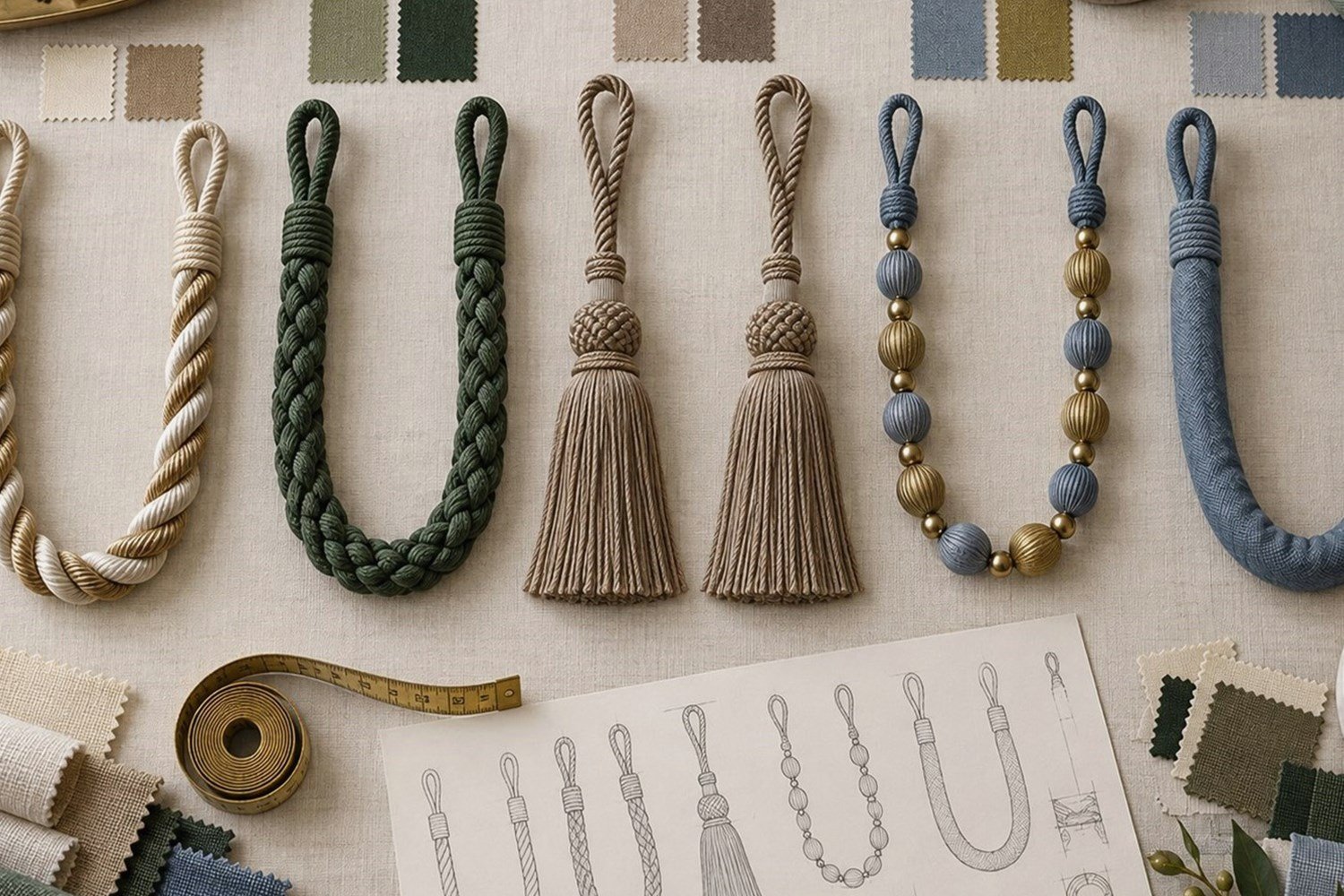
Curtain tiebacks gathering drapery to shape folds, frame windows, and add decorative detail

Curtain tiebacks are used by gathering curtain panels into a chosen position and securing that arrangement with rope, fabric, magnets, loops, hooks, tassels, beads, or related components. The resulting shape can expose more glass, create a symmetrical framed window, retain decorative folds, or provide a relaxed gathered drape. Follow the actual curtain system rather than treating one placement as universal.

Rooms, Curtain Types, and Tieback Styles

Rope, tassel, magnetic, beaded, and fabric tiebacks compared across living room, bedroom, hospitality, and decorative curtain applications

Tieback type affects use because rope, tassel, magnetic, beaded, and fabric constructions create different fastening and visual directions. Rope tiebacks suit cord-led drapery looks; curtain tassel tiebacks create a more ornamental end detail; magnetic styles use a different fastening approach; beaded styles add component-led texture; fabric tiebacks can coordinate closely with textiles.

ApplicationWhat to Consider
Living roomWindow framing, fabric volume, decorative scale
BedroomLight control, curtain position, material coordination
HospitalityInterior direction, repeated product consistency
Sheer curtainsLight visual weight and attachment
Heavy draperyAppropriate construction and curtain relation

Selection, Quality, and B2B Requirements
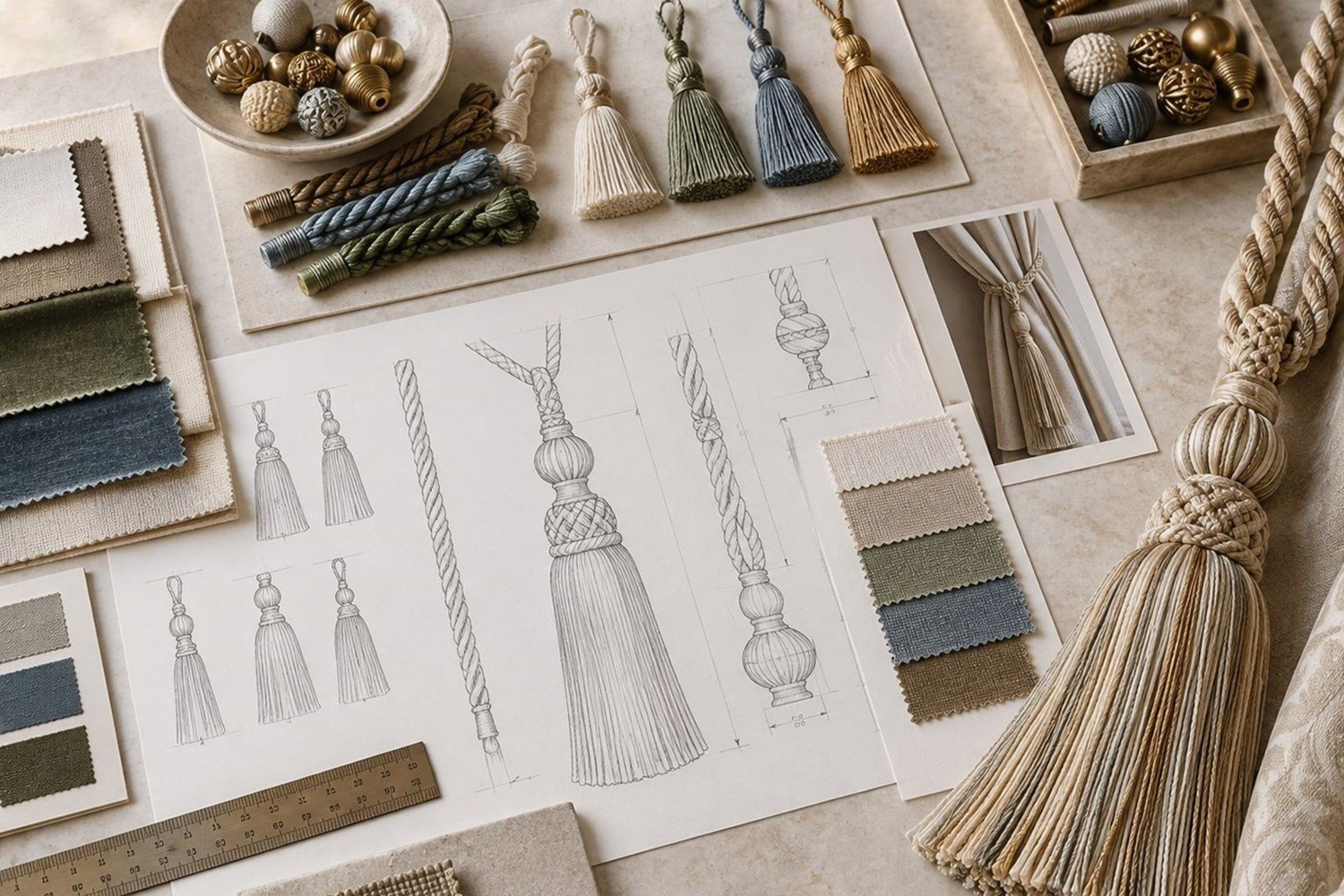
Custom curtain tieback samples with curtain fabrics, ropes, tassels, beads, magnets, and attachment references

Select a curtain tieback according to the curtain fabric, fullness, attachment location, gathered position, decorative style, and approved product reference. Buyers should define the tieback type, materials, cord or band, tassels or beads, attachment, visible scale, color, packaging, and relevant curtain reference before production.

  • Confirm whether a tieback is useful for the intended window treatment.
  • Confirm rope, tassel, magnetic, beaded, or fabric construction.
  • Review a complete sample with the actual curtain where possible.
  • Check construction, color, attachment, components, finishing, curtain fit, and relevant consistency.

See What Are Curtain Tiebacks? and Types of Curtain Tiebacks for definition and classification context.
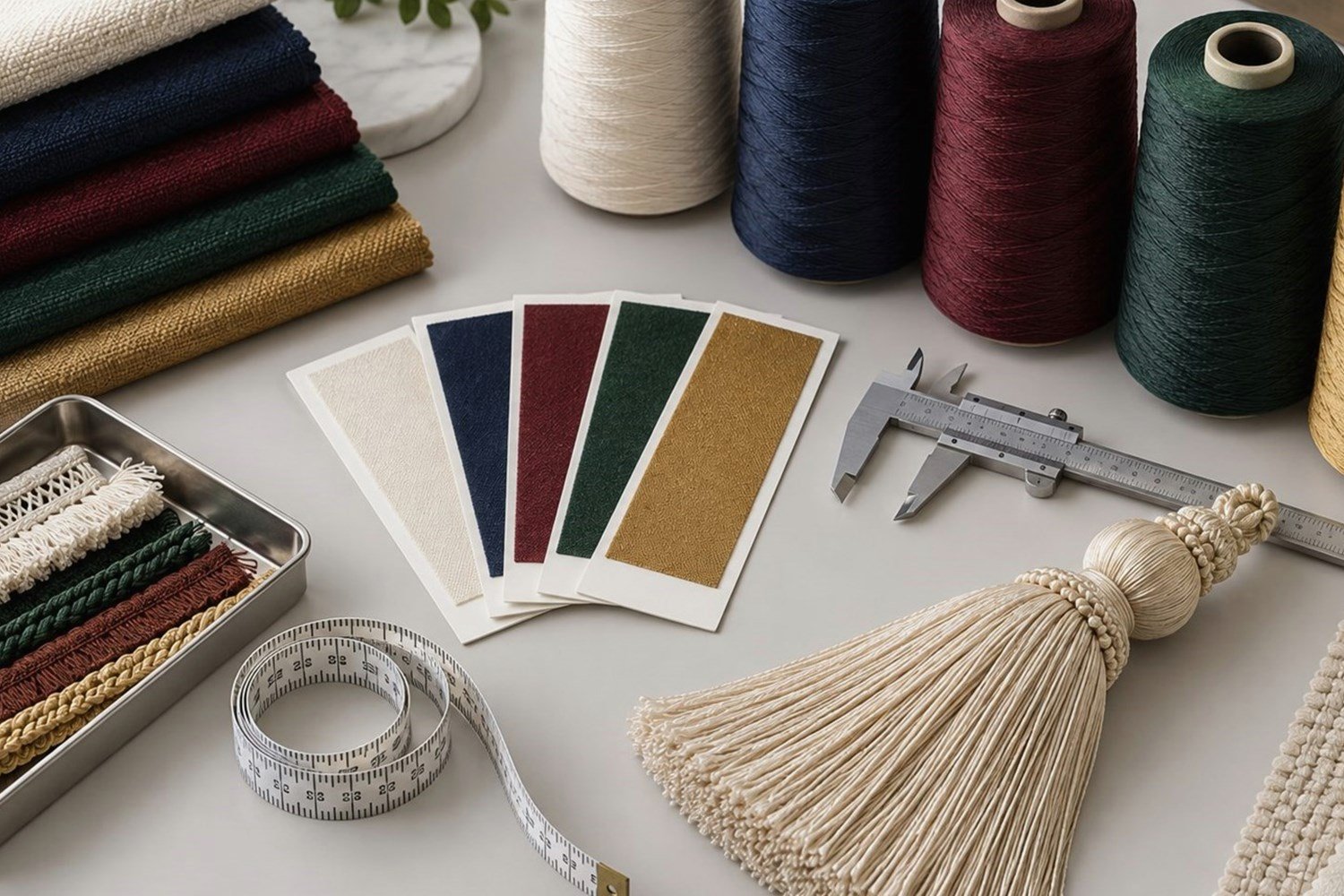
Curtain tieback examples showing gathered drapery, light control, window framing, rope, tassel, magnetic, and beaded uses

FAQ

Frequently Asked Questions

What are curtain tiebacks used for?

They gather and hold curtains open, shape folds, manage light, frame a window, and add decorative detail to a window treatment.

Do curtain tiebacks help with natural light?

They can hold panels in an open position that exposes more of the window. The final light effect depends on the curtain system and chosen gathered position.

Are tiebacks necessary for every curtain?

No. They are useful when a curtain needs a controlled open arrangement or decorative gathered shape, but not every window treatment requires them.

Which tieback type is best?

No type is universally best. Choose rope, tassel, magnetic, beaded, or fabric construction according to curtain material, attachment, appearance, and approved reference.

Can curtain tiebacks be customized?

Yes. A project can define material, color, cord, fabric, tassels, beads, magnets, loops, hooks, attachment, and visible scale.

Curtain tiebacks displayed with drapery, windows, natural light, rope, tassels, beads, and fabric details

Conclusion

What Are Curtain Tiebacks Used For? Key Takeaways

Curtain tiebacks are used to control curtain position and add a finished visual direction to drapery and windows. They can shape folds, admit light, frame a view, and coordinate fabric with rope, tassel, bead, magnetic, or fabric details.

  • Choose from the complete curtain system.
  • Different types create different fastening and decorative effects.
  • Use an approved reference for custom or B2B projects.
Discuss a curtain tieback project

Inquiry Form

Discuss a Curtain Tieback Application

Describe the curtain, room, tieback type, material, color, attachment, and project requirements in one request.

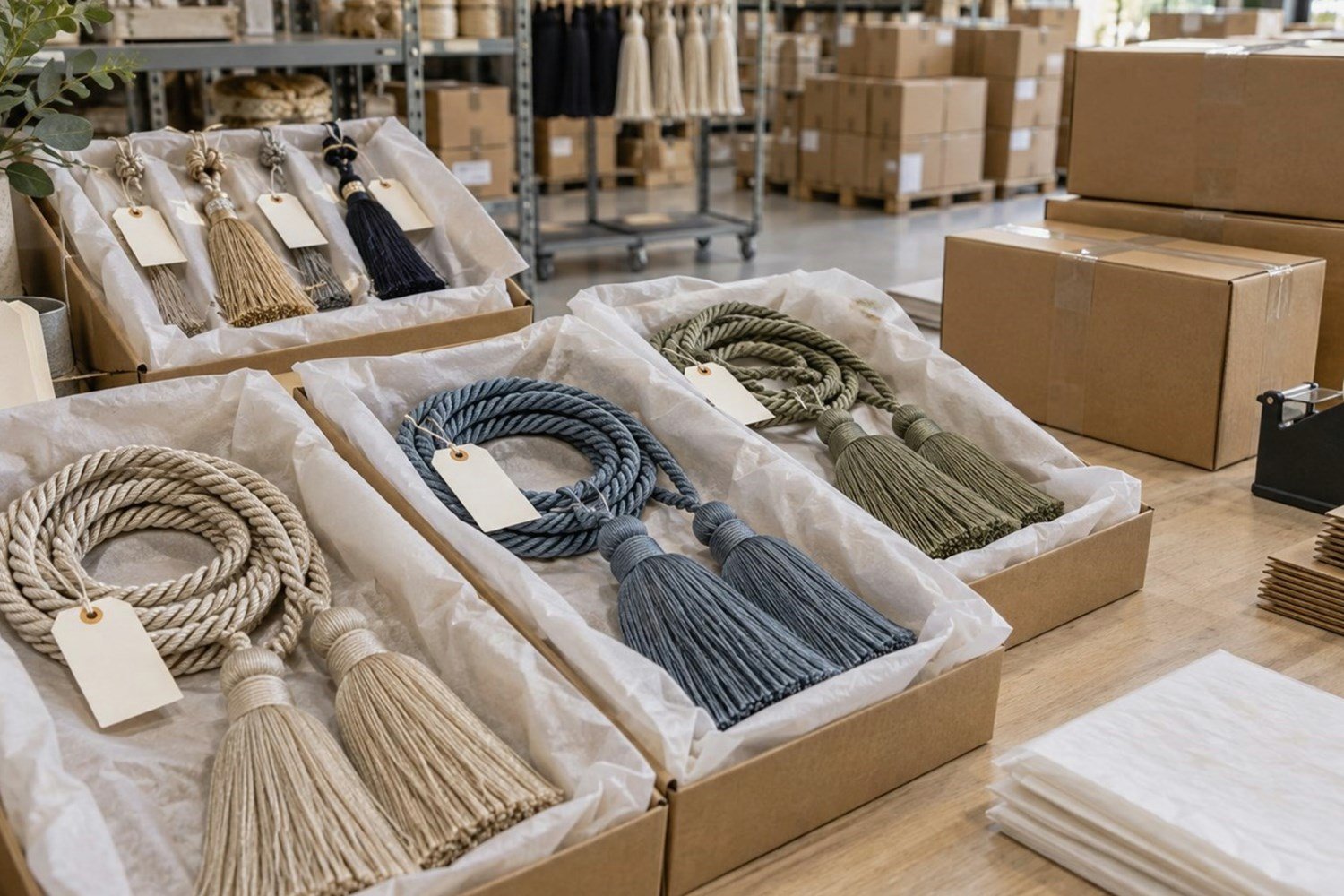
Curtain tieback samples, drapery references, ropes, tassels, beads, fabrics, and attachments prepared for a B2B inquiry

Start a conversation

Tell us what you need

Share your product type, colour, dimensions and quantity. Our sales team will review your request and reply by email.

  • Emailsales@evnubtrims.com
  • Phone+86 18268767650